Compost Attracting Pests and Rodents: Causes and Fixes
Compost Attracting Pests and Rodents: Causes and Fixes
Few things discourage a new composter faster than lifting the lid and finding a mouse nest tucked into the pile, or noticing gnaw marks along the base of a bin that used to sit quietly in the corner of the yard. Compost attracting pests and rodents is one of the most common complaints among backyard gardeners, and it's rarely a sign that composting itself is a bad idea. More often, it points to a specific and fixable imbalance in what's going into the pile and how the bin is built.
This issue affects nearly anyone who composts in a suburban or urban setting, where rats, mice, raccoons, and even opossums are already living nearby and looking for easy food sources. Understanding what actually draws them in, and what changes make a pile far less appealing, can turn a frustrating rodent problem into a manageable, mostly preventable one.
What follows is a closer look at why compost piles become magnets for unwanted visitors, along with concrete strategies for compost bin rodent proofing that hold up over time rather than offering a temporary fix.
Why Compost Piles Attract Pests and Rodents in the First Place
Rodents are opportunists. They don't seek out compost because it's compost; they seek it out because it often contains food, warmth, and shelter all in one place. A pile that includes meat scraps, dairy, oily foods, or large amounts of bread is essentially an open buffet. Even piles built entirely from fruit and vegetable trimmings can become a target if those scraps sit exposed on the surface rather than being buried within the pile.
Warmth plays a bigger role than most people expect. An actively decomposing pile generates heat, and during colder months that heat becomes genuinely attractive to mice and rats looking for a place to nest. A pile that's simultaneously moist, mild in odor, and structurally loose enough to burrow into is close to ideal from a rodent's point of view.
What Rodents and Pests Are Actually After
In practice, three things draw animals to a compost pile: accessible food, a soft or hollow area to burrow, and proximity to other shelter such as fences, sheds, or dense shrubs. Removing any one of these factors reduces the appeal significantly, but removing all three is what actually solves the problem long term. This is also why compost smells bad how to fix advice often overlaps with rodent prevention advice — odor and pest activity tend to share the same root causes, particularly excess nitrogen-rich food waste breaking down without enough carbon material to balance it.
A pile that's kept at a reasonable moisture level, turned regularly, and layered with dry carbon materials like straw, shredded cardboard, or dry leaves tends to break down fast enough that food scraps disappear before animals ever find them appealing. Slow, neglected piles are the ones that consistently turn into rodent hotels.
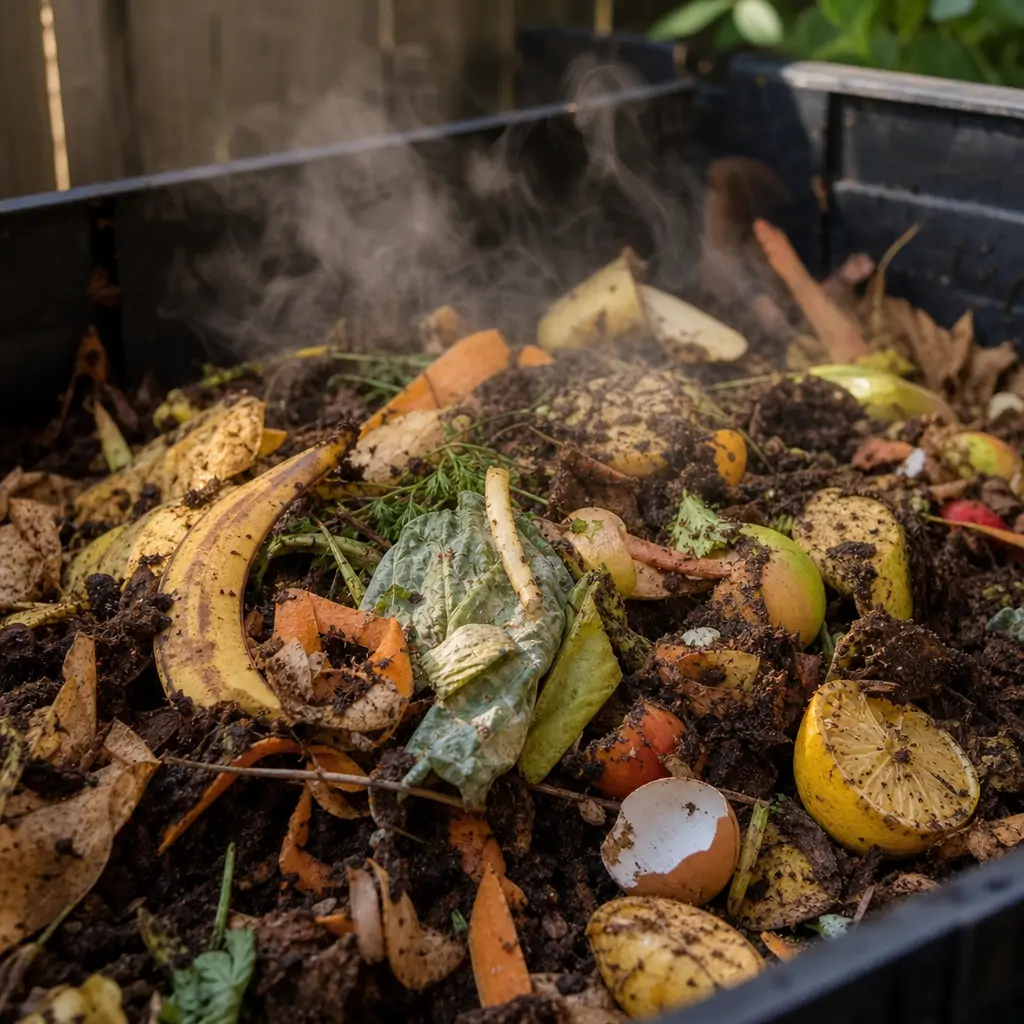
Takeaway: rodents aren't drawn to compost as a concept — they're drawn to unmanaged food waste, warmth, and easy shelter, all of which can be controlled through bin design and maintenance habits.
Practical Steps for Compost Bin Rodent Proofing
Preventing pest problems starts with the structure of the bin itself. A well-built enclosure does more to keep rodents out of compost than any single ingredient change, because it removes physical access rather than just reducing temptation.
Choosing the Right Bin Design
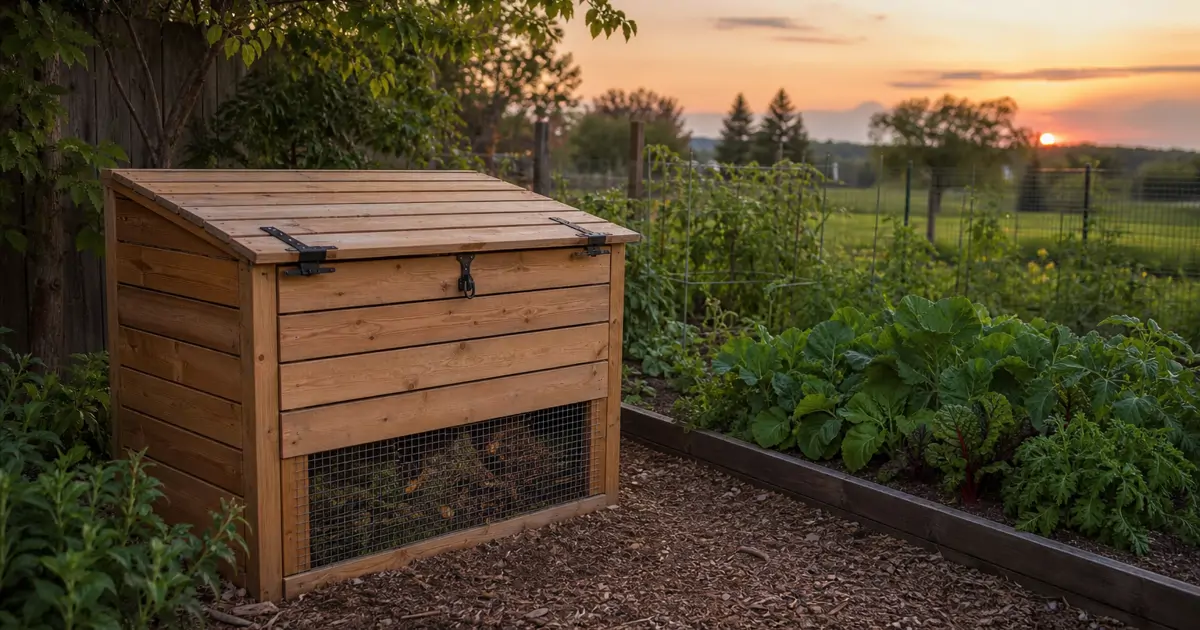
Enclosed bins with solid walls and secure, latching lids perform far better than open piles or bins with large gaps. Wire compost bins, while excellent for airflow, offer virtually no resistance to a determined rat. Lining the base and lower walls of a bin with hardware cloth barrier material — mesh with openings no larger than a quarter inch — blocks the two most common entry points: digging up from underneath and squeezing through side gaps. This single modification resolves a large share of persistent rodent issues reported by home composters.
Tumbling composters solve the access problem differently, since the enclosed drum sits off the ground and has no gaps for animals to exploit. They're a reasonable option for anyone dealing with repeated rodent visits to a traditional bin, though they come with their own separate challenges, including tumbler compost not decomposing evenly if not managed carefully.
Materials to Avoid Adding
Meat, fish, bones, dairy, fats, and oils should stay out of a backyard compost pile entirely — not because they can't decompose, but because they decompose slowly while smelling appealing to animals the whole time. Bread and grains fall into a similar category; they're often cited as harmless kitchen scraps, but they're also exactly what mice look for.
Food scraps that are added should be buried at least six to eight inches beneath the surface, ideally in the center of the pile where heat and microbial activity are highest. Surface scraps are the single most common invitation for both rodents and flying insects, and this same habit is behind most cases of compost attracting fruit flies as well. Anyone dealing with recurring gnats or flies alongside rodent activity should also review how to stop fruit flies in compost, since the underlying fix — burying food waste and maintaining a balanced carbon-to-nitrogen ratio — addresses both problems at once.
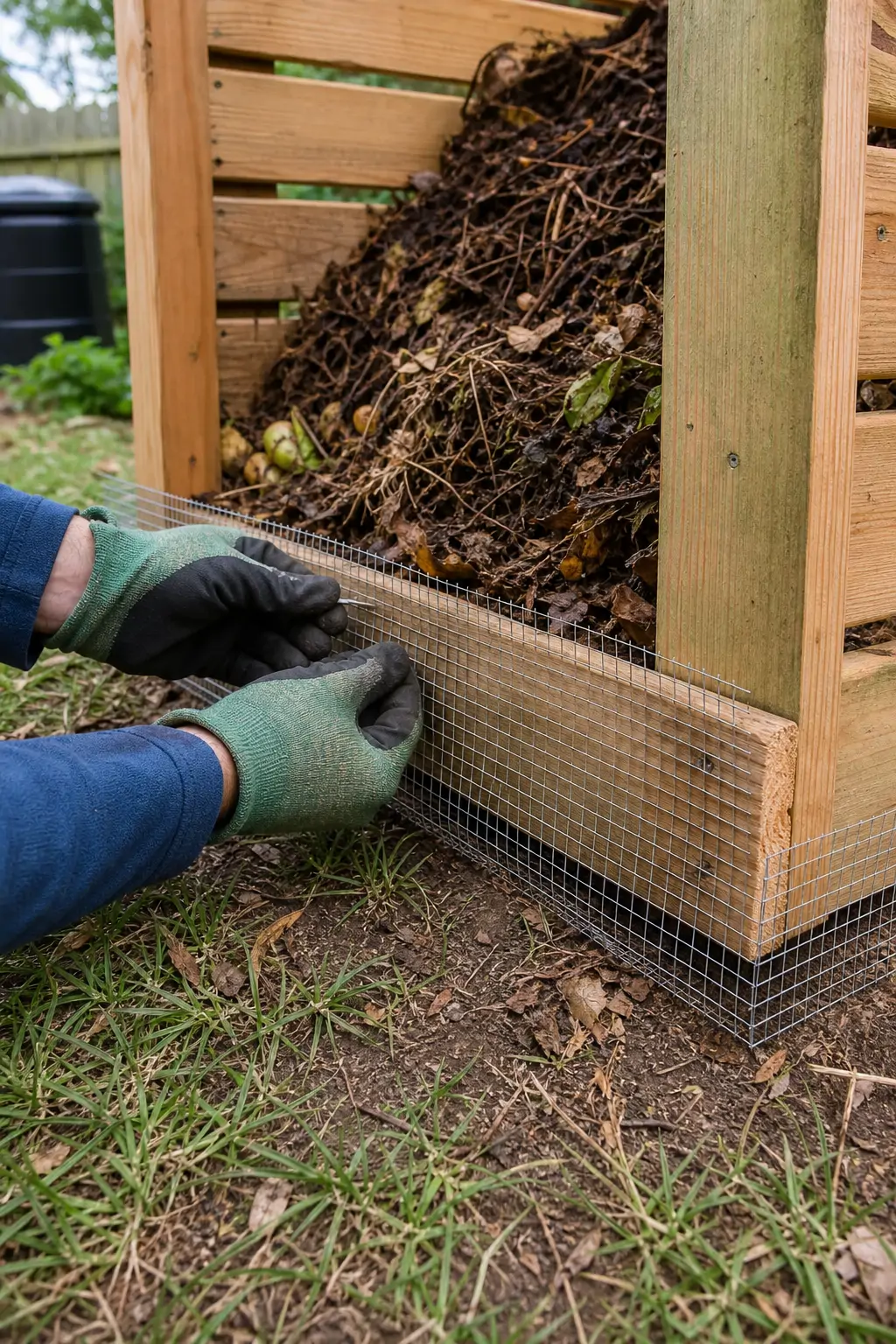
Takeaway: a secure, rodent-resistant bin combined with strict limits on what goes into it does more long-term good than any repellent or trap.
Common Mistakes That Invite Pests Back
Even composters who understand the basics sometimes undo their own progress through small, repeated habits. One frequently overlooked factor is inconsistent lid use — leaving a bin open for even a few hours while adding scraps is enough time for a rat to investigate and decide the location is worth returning to.
Another common mistake is letting the pile sit untouched for weeks at a time. Compost that isn't turned regularly develops cool, undisturbed pockets that are far more comfortable for nesting than an actively managed pile. Turning compost for aeration every one to two weeks not only speeds up decomposition but also disrupts any burrows or nests before they become established. This is one of several compost troubleshooting tips that solves more than one problem simultaneously, since the same turning schedule helps with heat retention and moisture control.
Signs Your Compost Has Already Attracted Rodents
Fresh gnaw marks on wood or plastic bin edges, small tunnels leading into or out of the base, shredded bedding-like material inside the pile, and a sudden absence of certain food scraps are all signs worth taking seriously. Droppings near the bin, particularly in a consistent trail pattern, usually confirm an active presence rather than a single passing visit.
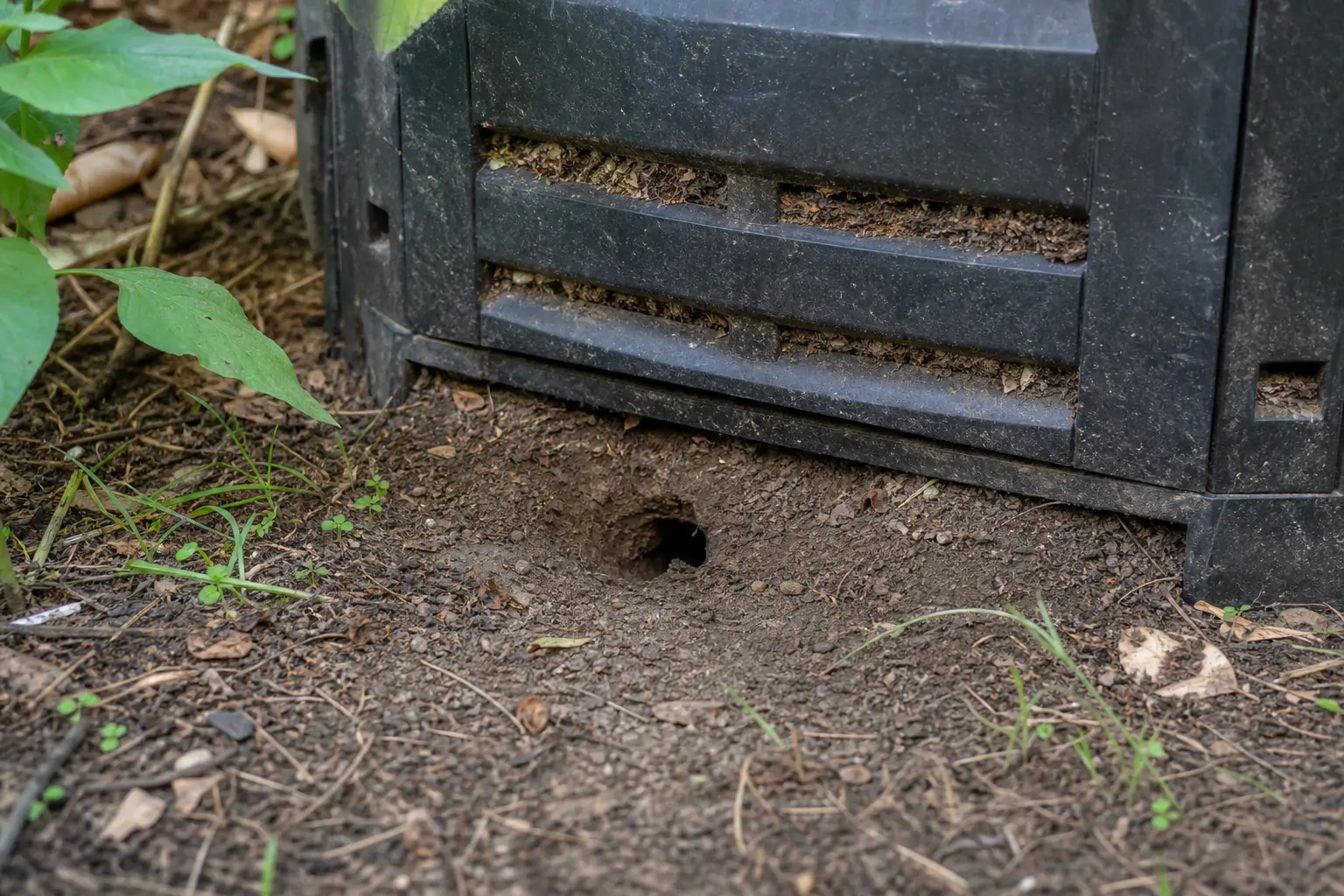
If gnaw marks or burrows are found near a home's foundation, siding, or stored food, that situation goes beyond a compost management issue and should be evaluated by a qualified pest control professional. Compost adjustments can prevent future activity, but an established rodent presence close to a structure needs direct intervention.
Takeaway: catching early signs of rodent activity — before nests or consistent trails form — makes the problem far easier to reverse through bin changes alone.
Rodent and pest problems in compost are almost always a symptom of an imbalance rather than a reason to give up on the practice altogether. A pile that's properly enclosed, kept at a workable moisture level, turned on a routine schedule, and free of meat, dairy, and exposed food scraps rarely holds much appeal for rats, mice, or other scavengers.
Addressing compost attracting pests and rodents usually comes down to a handful of consistent habits rather than one dramatic fix. Once those habits are in place, most backyard composters find the problem doesn't return, even in neighborhoods where rodents are a known presence.