The Complete Brown to Green Compost Ratio Guide
The Complete Brown to Green Compost Ratio Guide
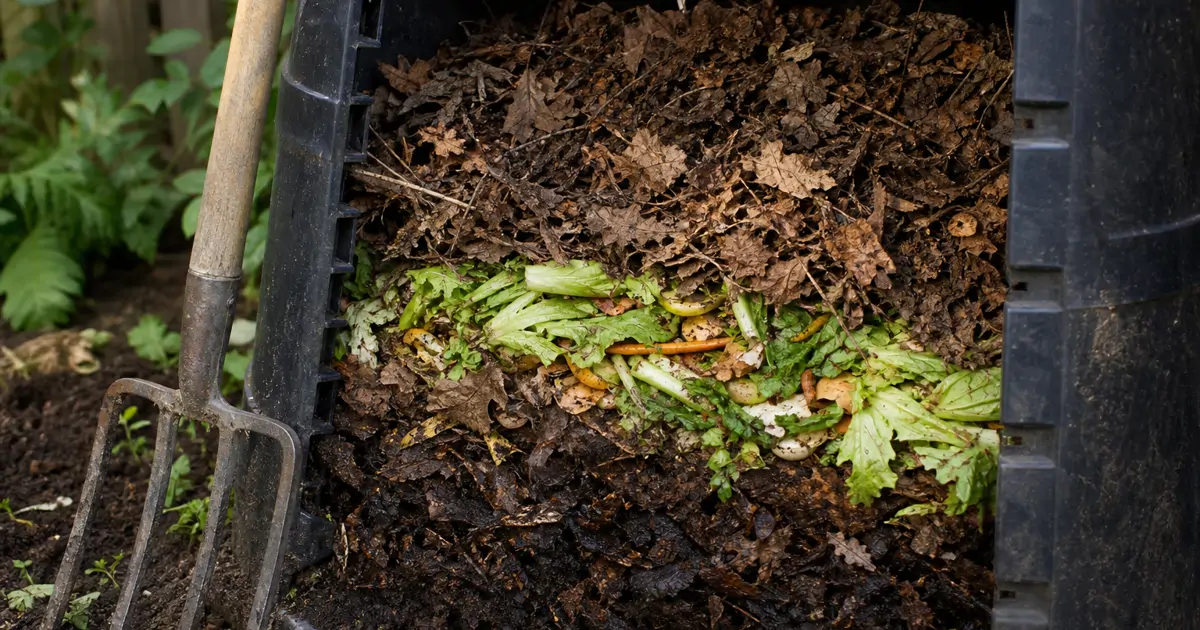
Anyone who has opened a compost bin to find a slimy, foul-smelling mess has probably wondered what went wrong. More often than not, the answer comes down to balance — specifically, the balance between carbon-rich "browns" and nitrogen-rich "greens." Getting the correct brown green compost ratio right is one of the simplest ways to turn kitchen scraps and yard waste into rich, usable soil instead of a soggy, odorous pile.
This page introduces the broader concept of compost ratios and explains why it matters so much to decomposition speed, odor control, and moisture management. Readers new to composting often assume that tossing scraps and yard debris into a bin is enough, but the mix of materials determines whether that pile actually breaks down efficiently or just sits there. Below, you will find an overview of how ratios work, along with direction toward more detailed guides covering specific situations — from tumblers to troubleshooting an overly wet pile.
Whether you are just starting out, managing a compost tumbler, or trying to fix a pile that has gone wrong, this hub connects you to the exact resource that fits your situation.
Understanding the Brown to Green Compost Ratio
At its core, composting is a controlled decomposition process driven by microorganisms that need both carbon and nitrogen to function. Browns — dried leaves, cardboard, straw, and similar materials — supply carbon and structure. Greens — fresh grass clippings, vegetable scraps, and coffee grounds — supply nitrogen and moisture. A common concern among beginners is not knowing how much of each to add, which is where a compost carbon nitrogen ratio guide becomes useful, since the general target most gardeners aim for is roughly two to three parts brown material for every one part green. Getting the compost brown to green ratio wrong in either direction is the single most common reason home piles stall out or start to smell.
Readers typically fall into a few categories: those just learning the basics, those managing a specific setup like a tumbler or enclosed bin, and those troubleshooting a pile that already smells bad or refuses to heat up. Each of these situations calls for slightly different guidance, which is why this topic is broken into focused sub-pillars rather than one overwhelming article. The sections below summarize each one so you can jump straight to what applies to your pile.
Brown to Green Ratio Compost Explained
This foundational guide breaks down what the brown to green ratio compost concept actually means in practical terms, including how the ratio is measured and why volume matters more than weight. It is the right starting point if you have heard the term thrown around but are not sure how it applies to your own bin. Readers looking for a clear, plain-language explanation before diving into specifics will find this the most useful entry point.
Compost Ratio of Green to Brown
Some readers search using the reverse phrasing, wondering whether the order of the ratio changes its meaning. This guide clarifies that compost ratio of green to brown and brown to green describe the same relationship, just framed differently, and walks through how to think about proportions when adding new material to an existing pile. It is especially helpful for anyone confused by conflicting advice found across different gardening sources.
Green to Brown Compost Ratio for Beginners
Beginners often need less technical detail and more practical starting steps. This guide simplifies the green to brown compost ratio into an easy mental model, using everyday household items as examples rather than technical carbon percentages. It suits readers who want to start a pile this weekend without getting bogged down in chemistry.
Compost Ratio in a Tumbler
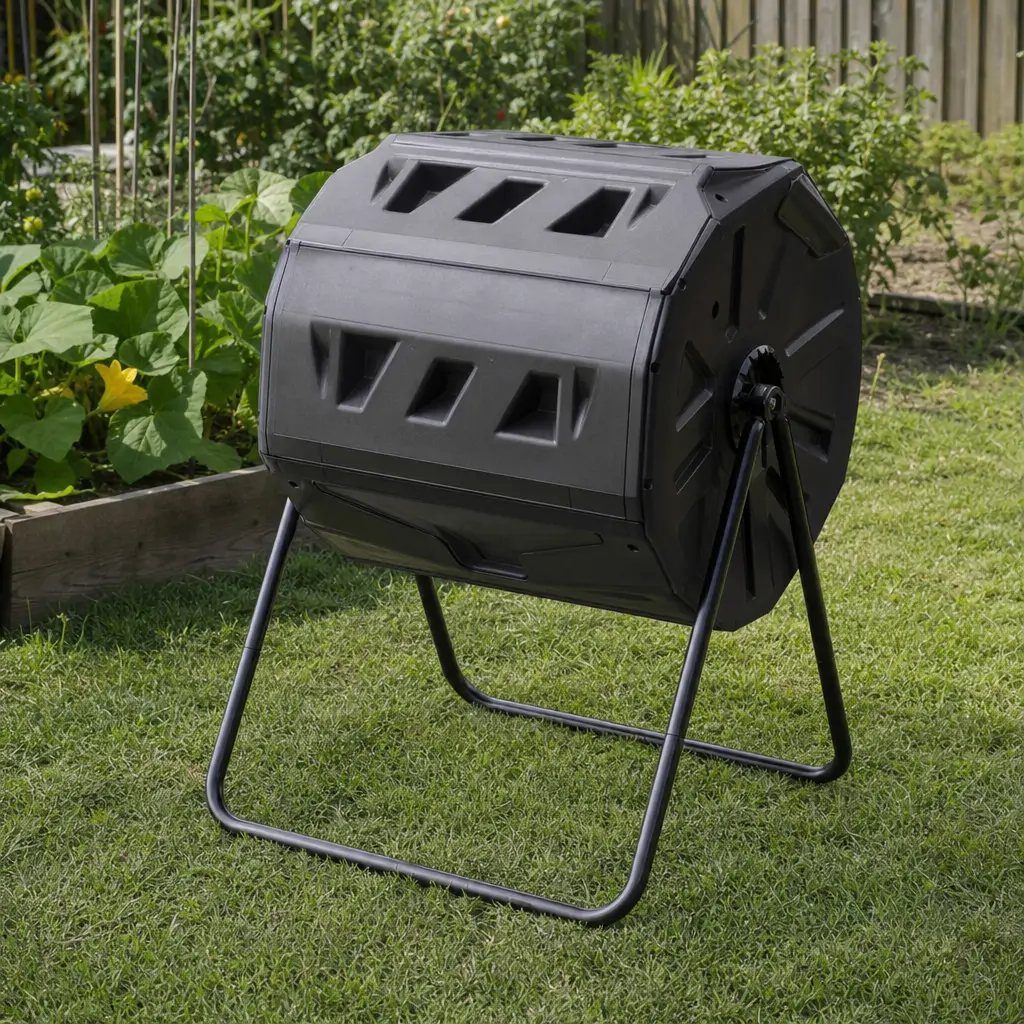
Tumbler composting behaves differently than an open pile because airflow, moisture retention, and mixing frequency all change. This guide addresses the compost tumbler green to brown ratio directly, including how enclosed systems tend to trap more moisture and why that shifts the ideal mix slightly toward more browns. It is the right resource for anyone composting in a rotating drum-style bin rather than a traditional heap.
Best Carbon to Nitrogen Ratio for Compost
Readers who want a deeper, more technical explanation of the science behind decomposition should look here. This guide expands on the compost bin green to brown ratio from a carbon-to-nitrogen perspective, explaining why the commonly cited 25:1 to 30:1 ratio matters to microbial activity and heat generation. It works well as a follow-up once the basics from the beginner guide feel familiar.
Too Much Green in Compost Fix
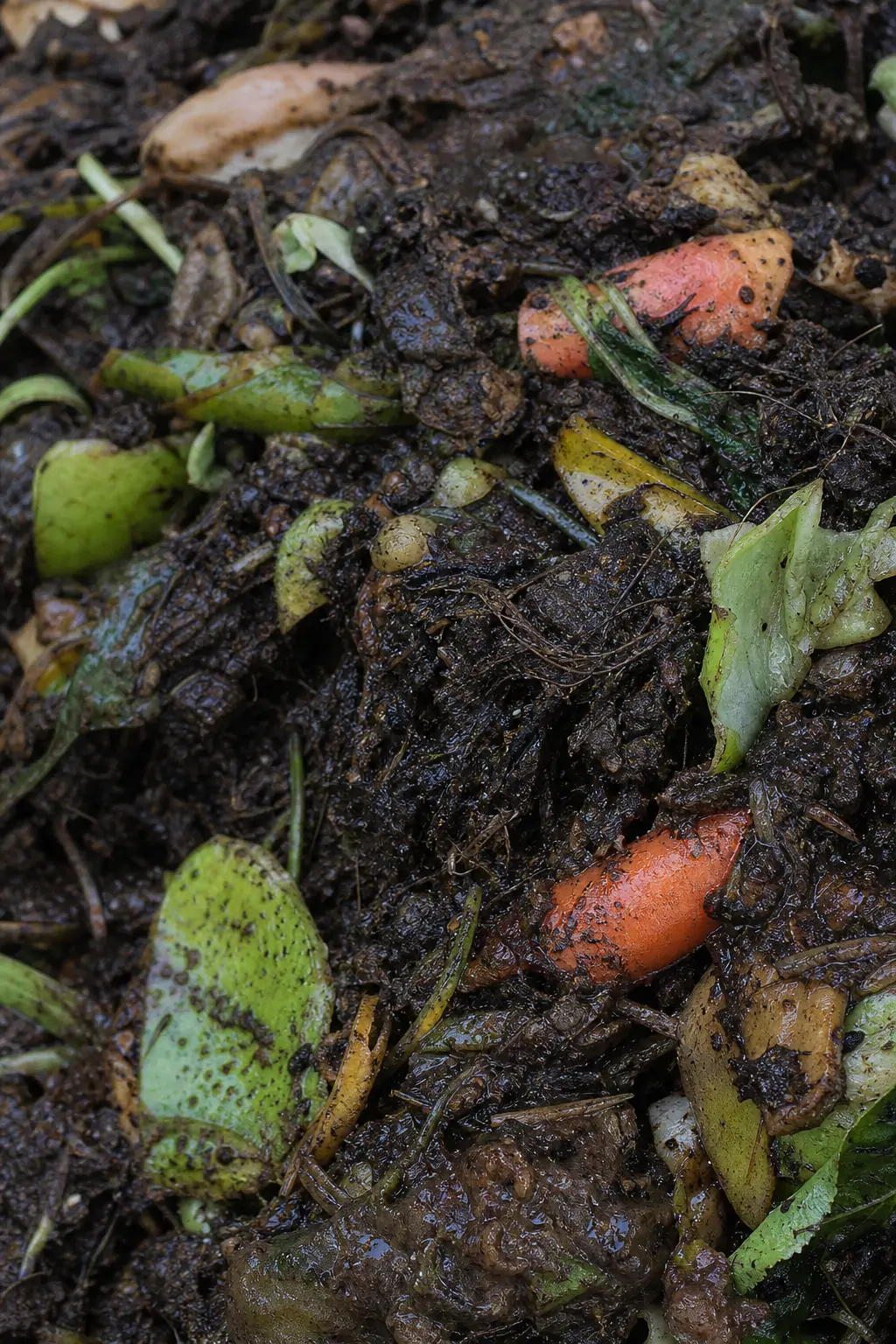
A pile that smells like ammonia or turns slimy usually has too much nitrogen and not enough carbon. This guide focuses specifically on too much green material in compost, walking through the signs of excess nitrogen and the general approach to rebalancing a pile that has tipped too far toward wet, dense greens. It is most relevant once a problem has already appeared, rather than during initial setup.
Too Much Brown in Compost Fix
The opposite problem — a pile that seems dry, dusty, and completely inactive — points to an excess of carbon. This guide addresses too much brown material in compost, covering why decomposition stalls when nitrogen is scarce and what general adjustments help restart microbial activity. Readers dealing with a pile that never seems to heat up often find their answer here.
Examples of Brown Materials for Compost
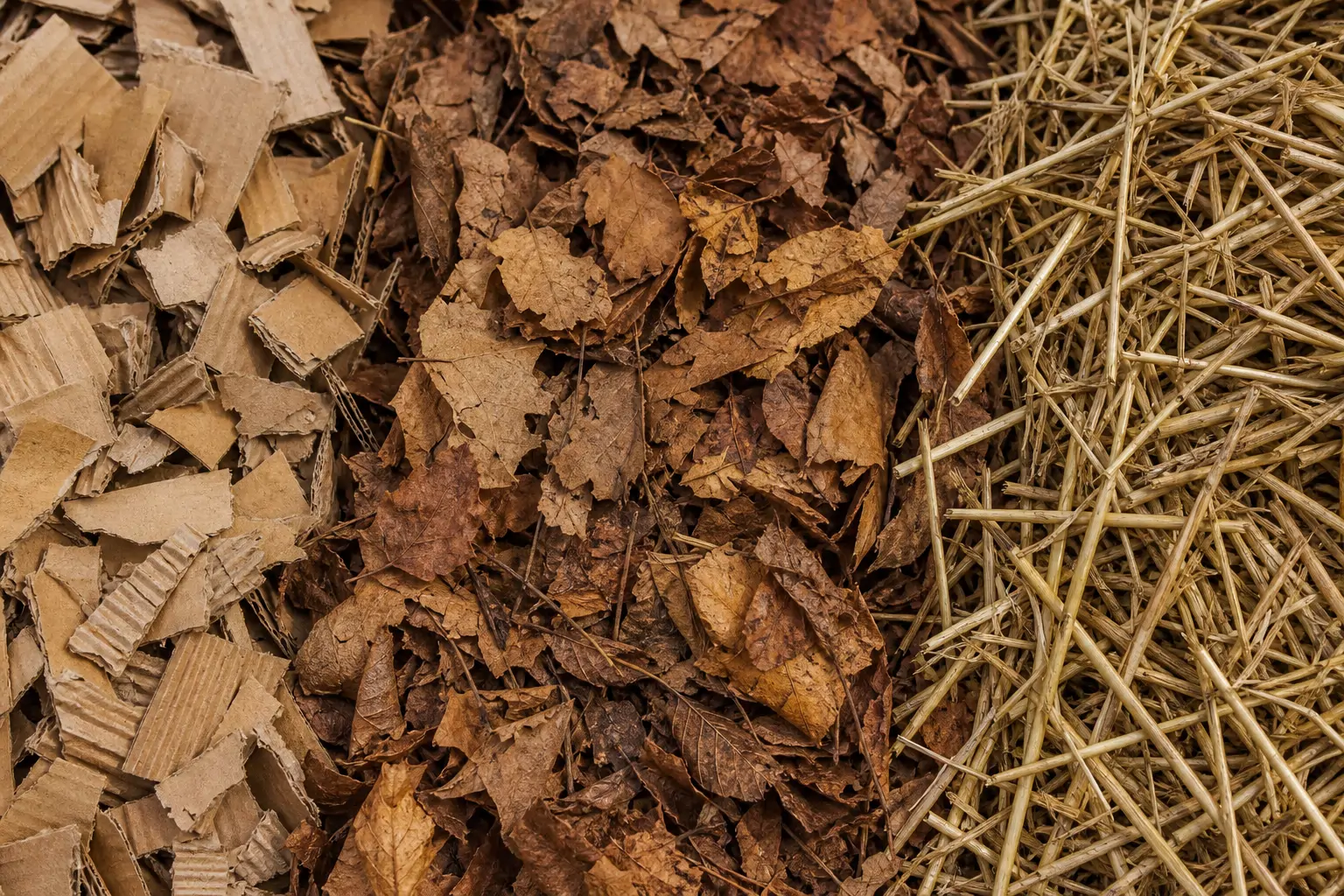
Not everyone knows which household and yard items actually count as browns. This guide lists brown materials for compost examples, ranging from shredded cardboard and dry leaves to straw and wood shavings, along with notes on which materials break down faster than others. It is a practical reference for anyone standing in front of their bin unsure what to add next.
Examples of Green Materials for Compost
Just as important is knowing what qualifies as a green. This guide covers green materials for compost examples, including fresh grass clippings, fruit and vegetable scraps, and coffee grounds, along with a few surprising items that count as green despite not being visually green at all. Pairing this with the browns guide gives a complete picture of what to feed a pile.
Balancing Compost Ratio for Faster Decomposition
Once the basics are understood, many readers want to speed up the process rather than just maintain a stable pile. This guide focuses on the compost ratio of brown to green as it relates to faster breakdown, covering how particle size, moisture, and turning frequency interact with the ratio itself. It suits readers who already have a working pile but want compost ready in weeks rather than months.
How These Composting Ratio Topics Connect
These sub-pillars are not meant to be read in strict order, though a natural path does exist. Beginners typically benefit from starting with the foundational explanation of ratios before moving into setup-specific guidance, such as tumbler composting or traditional bins. From there, the troubleshooting guides — covering excess green or excess brown material — become relevant only after a pile shows signs of trouble, which is why they are structured as standalone fixes rather than folded into the beginner content.
The material-specific guides, covering what counts as green versus brown, function as ongoing references rather than one-time reads; many readers return to them repeatedly as they encounter new scraps or yard waste. Meanwhile, the faster-decomposition guide ties everything together for readers who have already mastered the basics and want to optimize rather than simply maintain. Understanding how these pieces overlap helps you avoid reading redundant material and instead go straight to whichever page solves your current problem.
Composting rewards attention to detail, and few details matter more than the mix of greens and browns going into the pile. A greens and browns compost mix ratio that leans too far in either direction leads to predictable problems — odor, stalled decomposition, or excess moisture — all of which are avoidable once the underlying balance is understood.
Use this page as a map rather than a final answer. Whichever compost ratio brown to green question brought you here, one of the linked guides above is built to answer it in more depth than a single hub page reasonably could.