How to Start Composting at Home: A Beginner's Guide
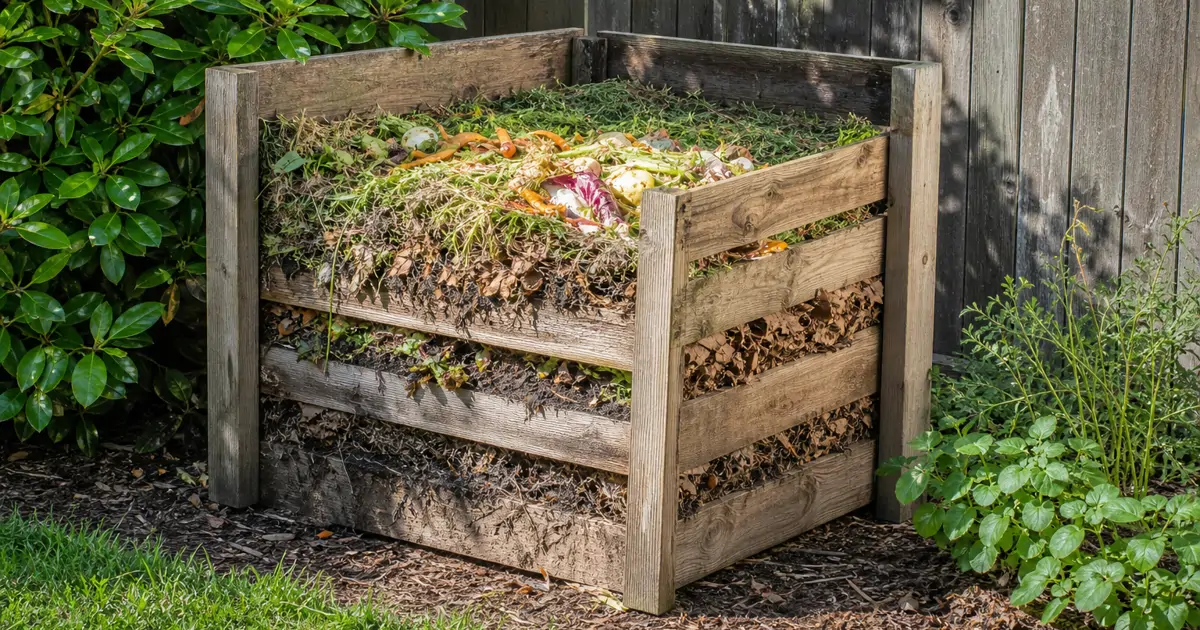
How to Start Composting at Home: A Beginner's Guide
Composting turns everyday kitchen scraps and yard debris into something genuinely useful: dark, crumbly material that feeds soil and reduces what ends up in a landfill bin. For many home gardeners, the idea is appealing long before the details make sense. What actually goes into a pile? Does it need a special container? Will it smell, attract pests, or take up too much space in a small yard?
This guide exists to answer the big-picture questions and then point you toward the specific article that covers your exact situation. Whether you're working with a suburban backyard, a small apartment kitchen, or a raised garden bed that needs richer soil, learning how to start composting at home begins with understanding the handful of approaches available and matching one to your space and habits.
Below, you'll find an overview of how home composting works, followed by short introductions to each dedicated guide in this collection. Read the overview first if you're new to the subject, then jump to whichever section matches what you're trying to accomplish.
Understanding the Basics of Home Composting
At its core, composting is a managed version of natural decomposition. Organic material — food scraps, fallen leaves, grass clippings, coffee grounds — breaks down through the activity of microorganisms, insects, and moisture. Left alone, this happens slowly in nature. Managed properly, it can happen in a matter of weeks or months, producing finished compost that improves soil structure, retains moisture, and supplies nutrients to plants.
Most readers approach this topic with one of a few goals in mind. Some want a simple outdoor system that handles yard waste without much fuss. Others are limited on space and want to know whether composting indoors is realistic. A good number are gardeners specifically hoping to produce material that will enrich vegetable beds or flower borders. And a few just want the most basic possible starting point, without worrying yet about which method fits best.
The common challenges tend to repeat across all these goals: choosing between an enclosed bin and an open pile, figuring out what materials are safe to include, managing moisture and odor, and understanding how long the process actually takes. Rather than cover all of that here, the sections below introduce the dedicated guides that go deep on each concern.
How to Start a Compost Bin
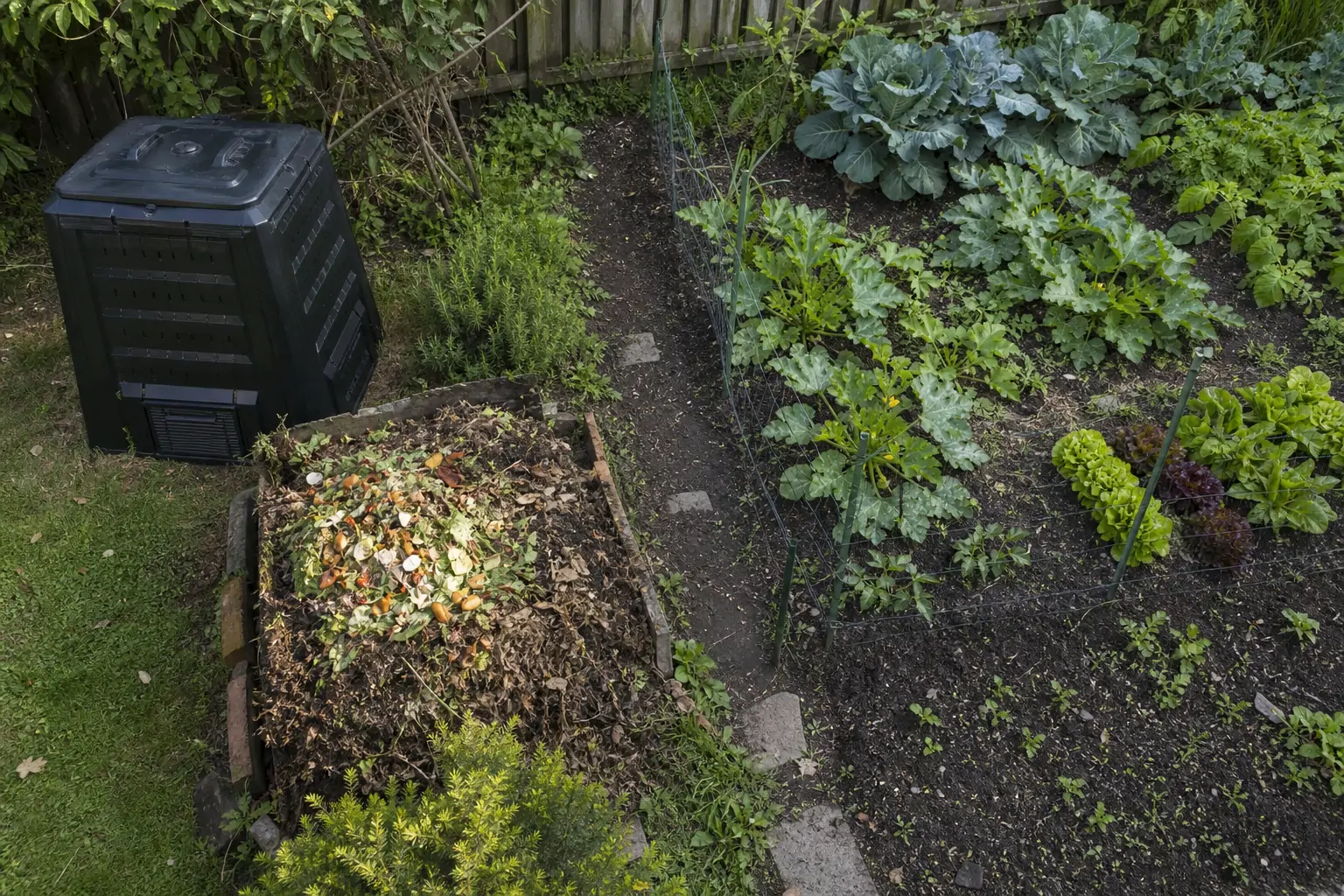
A contained bin is often the first choice for homeowners who want a tidy, pest-resistant setup. It suits smaller yards, offers some control over moisture and temperature, and comes in styles ranging from simple wire cages to tumbling drum designs. If you're deciding what kind of container to buy or build, how to start a compost bin walks through the setup process from the ground up.
How to Start a Compost Pile
An open pile is the more traditional, no-frills approach — no purchased container required, just a designated spot in the yard. It works well for larger properties with more yard waste to process and fewer concerns about neighbors or pests. Readers weighing this option against a bin should look at how to start a compost pile for a breakdown of when this method makes the most sense.
How to Make Compost at Home
Once a bin or pile is in place, the real question becomes how to actually produce usable compost rather than a stagnant heap. This involves balancing carbon-rich and nitrogen-rich materials, managing moisture, and turning the pile at the right intervals. For a full walkthrough of the process itself, how to make compost at home covers the mechanics step by step.
How to Start Composting Indoors
Not everyone has a yard, and that doesn't rule out composting. Apartment dwellers and renters often want to know whether it's possible to compost without outdoor space, and the answer is yes, with the right method. How to start composting indoors introduces the systems — including worm bins and countertop options — that make this workable in tight quarters.
How to Start an Indoor Compost Bin
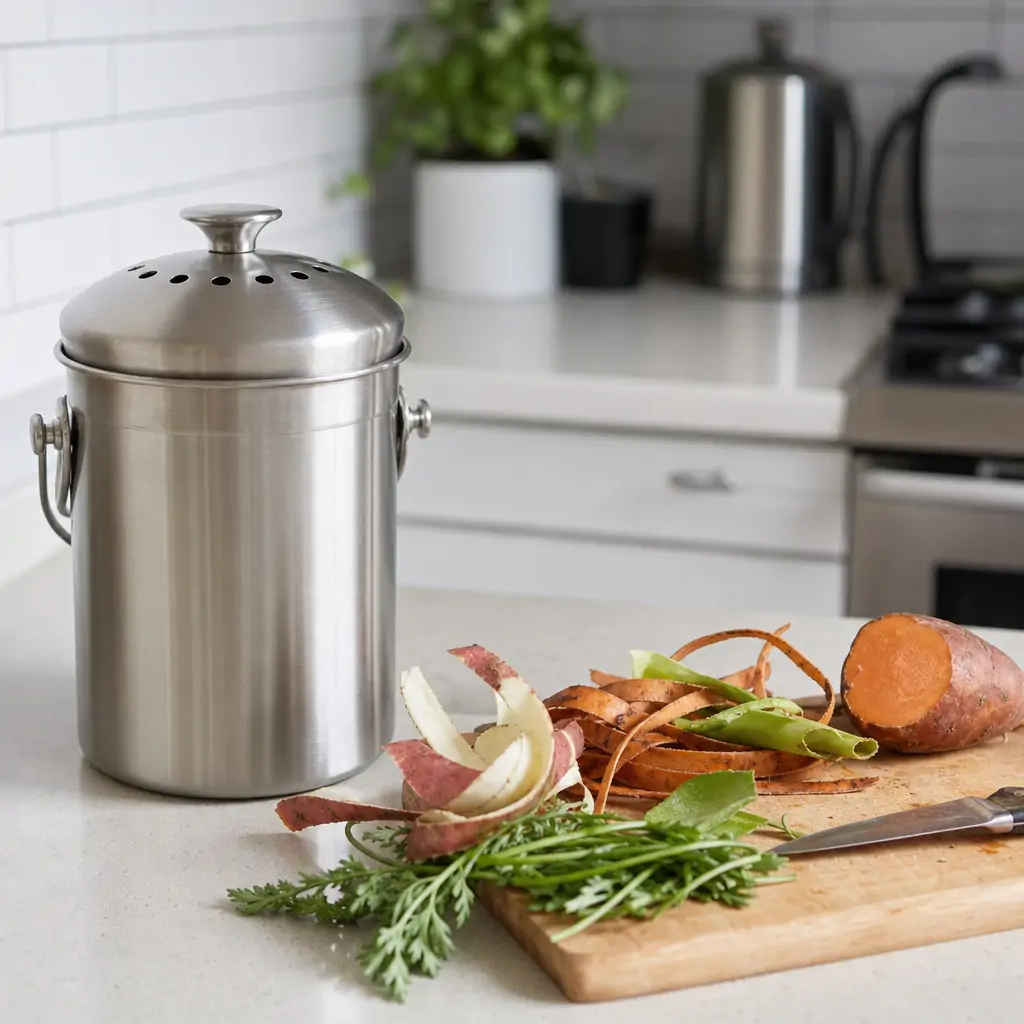
Beyond the general concept of indoor composting, many readers want specifics on the container itself: size, material, ventilation, and how to keep it from smelling in a small kitchen. Setting up an indoor compost bin is its own decision process, separate from choosing what method to use, and deserves its own dedicated explanation.
How to Start a Compost Bin Inside
Some readers are specifically looking for compact solutions that fit under a sink or on a counter rather than a full-sized system. A small compost bin for indoors serves a different purpose than a larger outdoor bin, and the guide dedicated to this topic addresses space-saving setups suited to apartments, condos, or shared housing.
How to Make a Compost Pile in the Ground
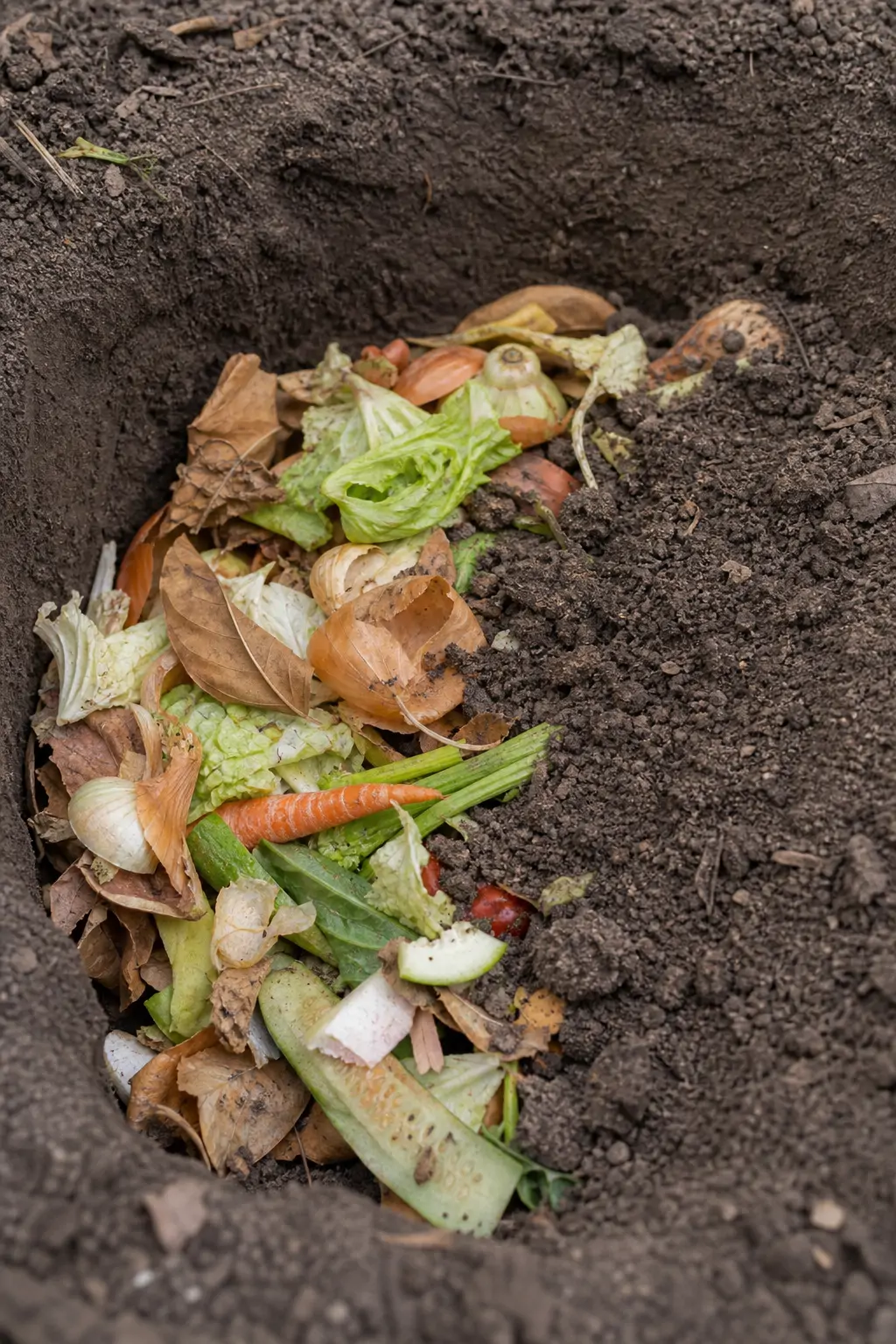
An alternative to raised piles or enclosed bins is building compost directly into the earth — sometimes called trench or pit composting. This method suits gardeners who want a low-maintenance system that blends into the landscape. Anyone curious about ground compost pile setup and how it differs from surface piles should read how to make a compost pile in the ground for the specifics.
How to Make Compost for Garden Soil
Many home composters aren't composting for its own sake — they're doing it to feed a vegetable patch or flower bed. Producing compost with garden soil improvement in mind involves some different priorities than general yard waste management, including nutrient balance and finishing time. How to make compost for garden soil focuses on that specific outcome.
How to Start a Compost for Your Garden
Closely related to the topic above, this guide is for readers planning their composting system around a particular garden project from the outset, rather than retrofitting existing compost for garden use later. If you're starting from scratch with a vegetable garden in mind, how to start a compost for your garden lays out that planning process.
How to Start Your Own Compost at Home
For readers who haven't settled on any particular method yet and just want the most foundational starting point, this guide offers a broader entry into the subject, useful as a first stop before narrowing down to bins, piles, or indoor systems. It's a good companion to this overview for anyone who wants a slightly deeper first read before choosing a direction, and how to start your own compost at home is written with that beginner mindset in mind.
How These Composting Guides Work Together
These topics overlap more than they compete. A reader deciding between a bin and a pile will likely also want to understand the actual composting process described in the materials-and-turning guide, since the container choice doesn't change the underlying science. Someone composting indoors still benefits from understanding general composting mechanics, just applied to a smaller, contained environment. And gardeners focused on soil improvement often start with a basic bin or pile setup before shifting attention to the finishing techniques that produce garden-ready compost.
A sensible path for most beginners is to start broad — understanding the difference between bins, piles, and indoor systems — before narrowing in on the guide that matches available space and goals. From there, the process-focused and soil-focused guides fill in the details once a system is physically in place.
Composting at home isn't a single technique so much as a set of related choices: where to put it, what container or method to use, and what outcome you're hoping to get from it. Making sense of those choices is really what starting a compost bin at home or starting a compost pile at home comes down to, and this collection is organized to make that decision easier rather than more complicated.
Whichever direction fits your household, the underlying goal stays the same: turning waste that would otherwise be discarded into something that benefits the soil. A making compost at home guide like this one is meant to be a starting point, not the final word, so use the sections above to find the specific article that matches where you are right now.