Best Worms for Composting: Choosing the Right Species
Best Worms for Composting: Choosing the Right Species
Not every worm pulled from the backyard will thrive in a compost bin, and that single misunderstanding is responsible for more failed worm bins than almost anything else. Someone digs up a handful of earthworms after a rainstorm, drops them into a plastic tote with some food scraps, and wonders a week later why half of them have vanished or died. The problem usually isn't the bin design or the food. It's the worm species.
Composting worms and garden soil worms are built for different jobs. One group is adapted to loose, deep soil with stable temperatures and low organic matter. The other thrives in shallow, decomposing organic material that heats up, shifts in moisture, and changes chemically as it breaks down. Picking the wrong type doesn't just slow things down; it can wipe out an entire starter population within days.
This guide breaks down the species most commonly recommended for vermicomposting, explains the practical differences between them, and walks through how to think about choosing worms for a worm bin based on your climate, goals, and bin setup.
Worm Species Compared for Composting
Composting worms fall into a small handful of species that have been used successfully for decades, and each has a slightly different personality when it comes to feeding habits, temperature tolerance, and reproduction rate. Understanding these differences matters more than most beginner guides suggest, because the wrong choice can mean a bin that never quite gets going.
Red Wigglers (Eisenia fetida)
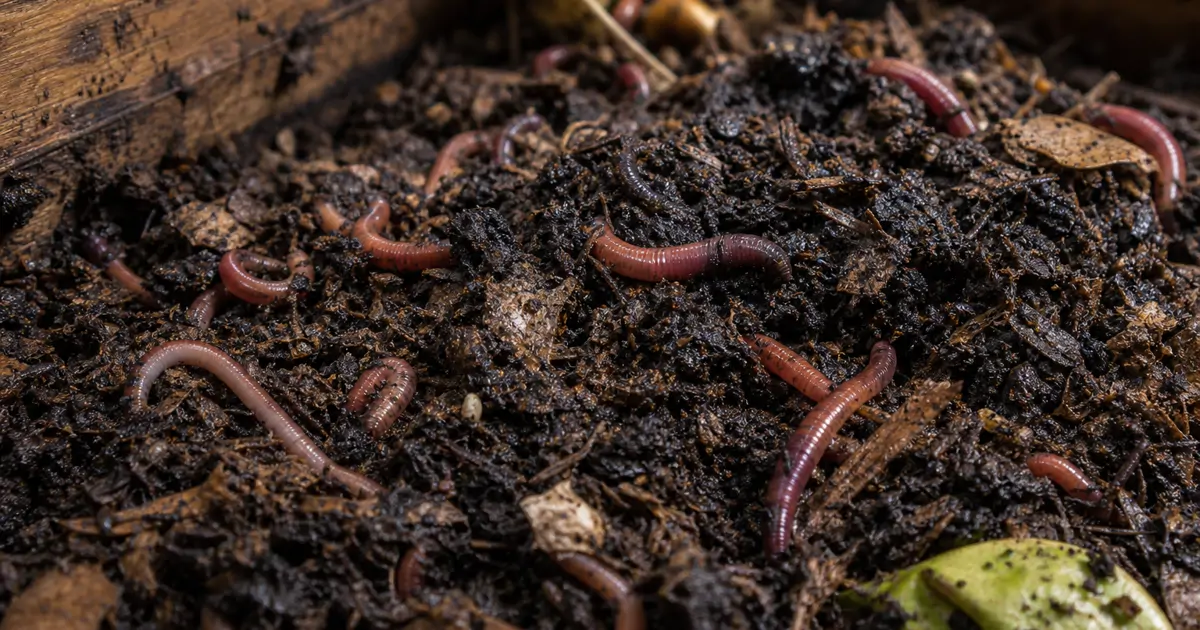
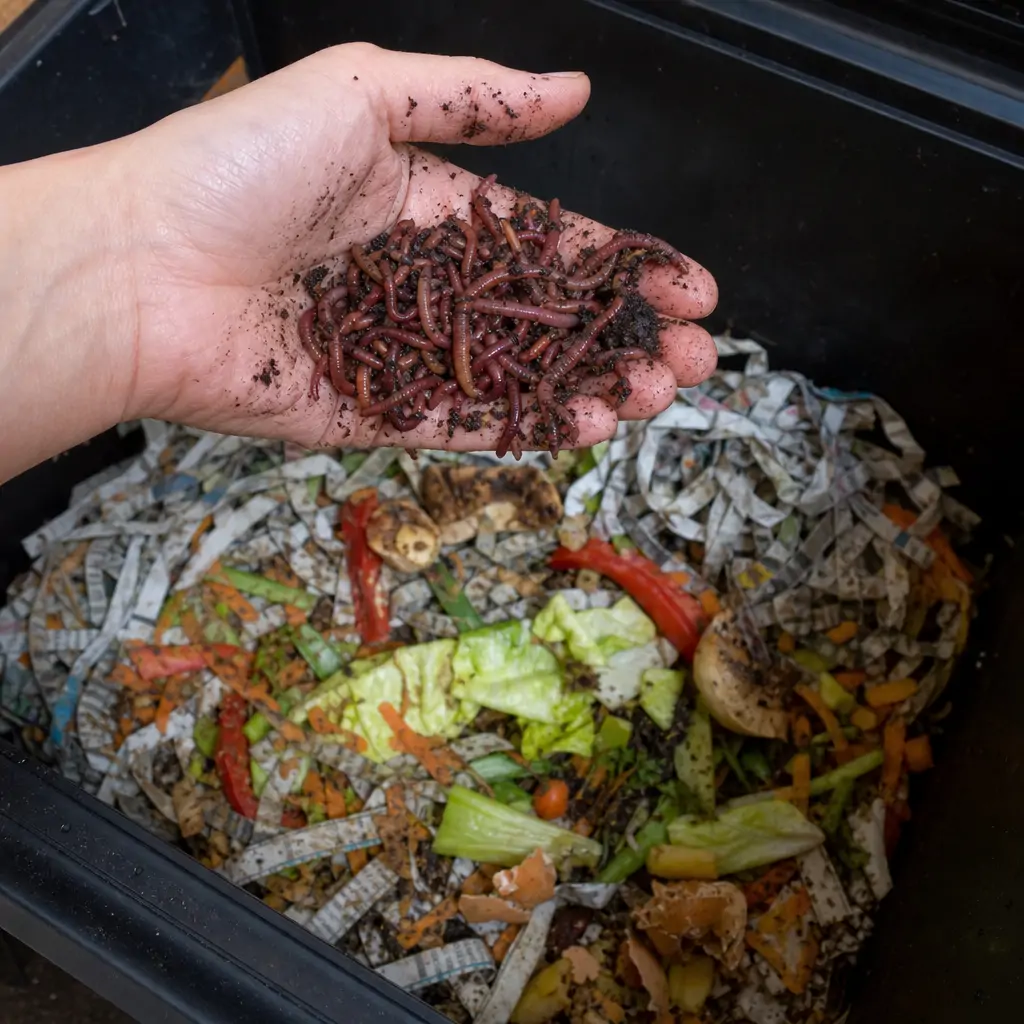
Red wigglers are the default recommendation for a reason. They tolerate a wide range of temperatures, reproduce quickly under decent conditions, and feed aggressively near the surface of a bin, which suits the shallow trays and totes most home composters use. Many suppliers sell red wiggler worms for compost specifically because they handle crowding and fluctuating moisture better than almost any other species. A pound of red wigglers, roughly a thousand worms, can process about half a pound of food scraps per day once the population is established, though new bins take several weeks to reach that pace.
European Nightcrawlers
European nightcrawlers grow larger than red wigglers and burrow slightly deeper into the bedding, which makes them a popular dual-purpose choice for people who also use them as fishing bait. They tolerate cooler temperatures reasonably well but reproduce more slowly than red wigglers, so a bin stocked entirely with this species may take longer to reach full processing capacity. They're a solid option for larger, deeper bins rather than shallow trays.
African Nightcrawlers
African nightcrawlers are fast eaters and grow quickly, making them attractive for warm-climate composters or indoor setups with stable heat. The tradeoff is cold sensitivity. Temperatures below the mid-50s Fahrenheit can kill them off within days, so anyone in a region with real winters needs a heated space or a backup plan before relying on this species as a primary population.
Why Not Use Garden Earthworms
Common garden or nightcrawler-type earthworms found in yards are soil dwellers, not decomposers. They need deep, undisturbed earth and don't reproduce well in the crowded, food-rich environment of a bin. Adding them to a worm bin usually results in a slow die-off rather than a thriving colony, which is a common mistake even among otherwise careful beginners who assume any worm will do the job.
Best worms for composting almost always means one of the three species above, not whatever happens to be in the garden soil. That distinction alone prevents a large share of early vermicomposting failures.
Choosing Worms for a Worm Bin: Practical Considerations
Once the species options are clear, the next decision is how many worms to start with and how that choice interacts with bin size, climate, and feeding habits. This is where a lot of guides oversimplify things, treating worm selection as a one-time purchase decision rather than an ongoing balance.
Bin size and starting population matter together. A common recommendation is one pound of worms per square foot of bin surface, but that ratio assumes a mature colony, not a brand-new one. Starting with fewer worms than that isn't a mistake; it just means slower initial processing while the population grows into the available space. Overstocking, on the other hand, can cause overcrowding stress, and worms under stress sometimes attempt to migrate, which explains the occasional escapee found near a bin's lid or drainage holes.
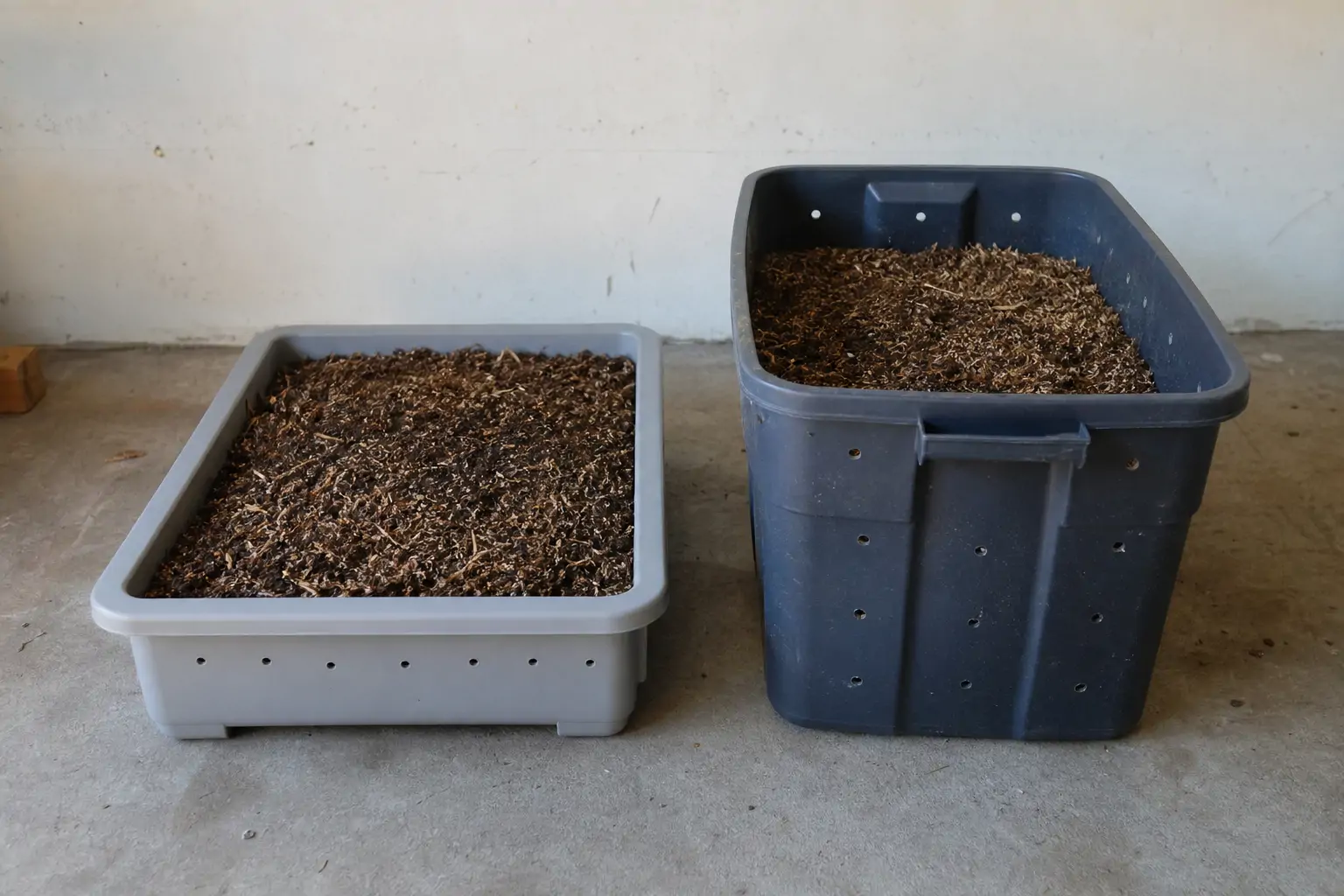
Climate plays a bigger role than most first-time composters expect. Indoor bins kept in a garage or basement need species tolerant of temperature swings, which again points toward red wigglers for most US households. Outdoor bins in regions with cold winters need either a hardy species, added insulation, or a plan to bring the bin indoors seasonally, since a hard freeze will kill most composting worm populations outright.
Feeding habits also shape which worm suits a given household. Kitchens producing a steady, moderate volume of scraps pair well with red wigglers' feeding pace, while households generating large amounts of food waste at once may benefit from mixing in European nightcrawlers to add processing capacity in deeper bedding layers. Getting a sense of what to feed compost worms and how often before selecting a species helps avoid the common scenario where a bin is overloaded with food the worms can't keep up with, leading to odor and pest issues.
Sourcing and Establishing Your Worm Population
Worms for a compost bin typically come from three sources: specialty worm suppliers, local worm farms, or occasionally another composter willing to share a portion of an established colony. Bait shop worms are usually the wrong species for composting, since most stock nightcrawlers or red worms bred for fishing rather than decomposition work, and their tolerance for worm bin conditions can be unpredictable.
When worms arrive from a supplier, they've often spent one or more days in transit without food, so they shouldn't be expected to start processing scraps immediately. A common practical step is to place them in slightly damp bedding with a small amount of food and let them settle for two or three days before adding a full feeding. Checking on a new population daily during this period, without disturbing the bedding too much, helps catch early problems such as excessive moisture or a population that seems unusually inactive.
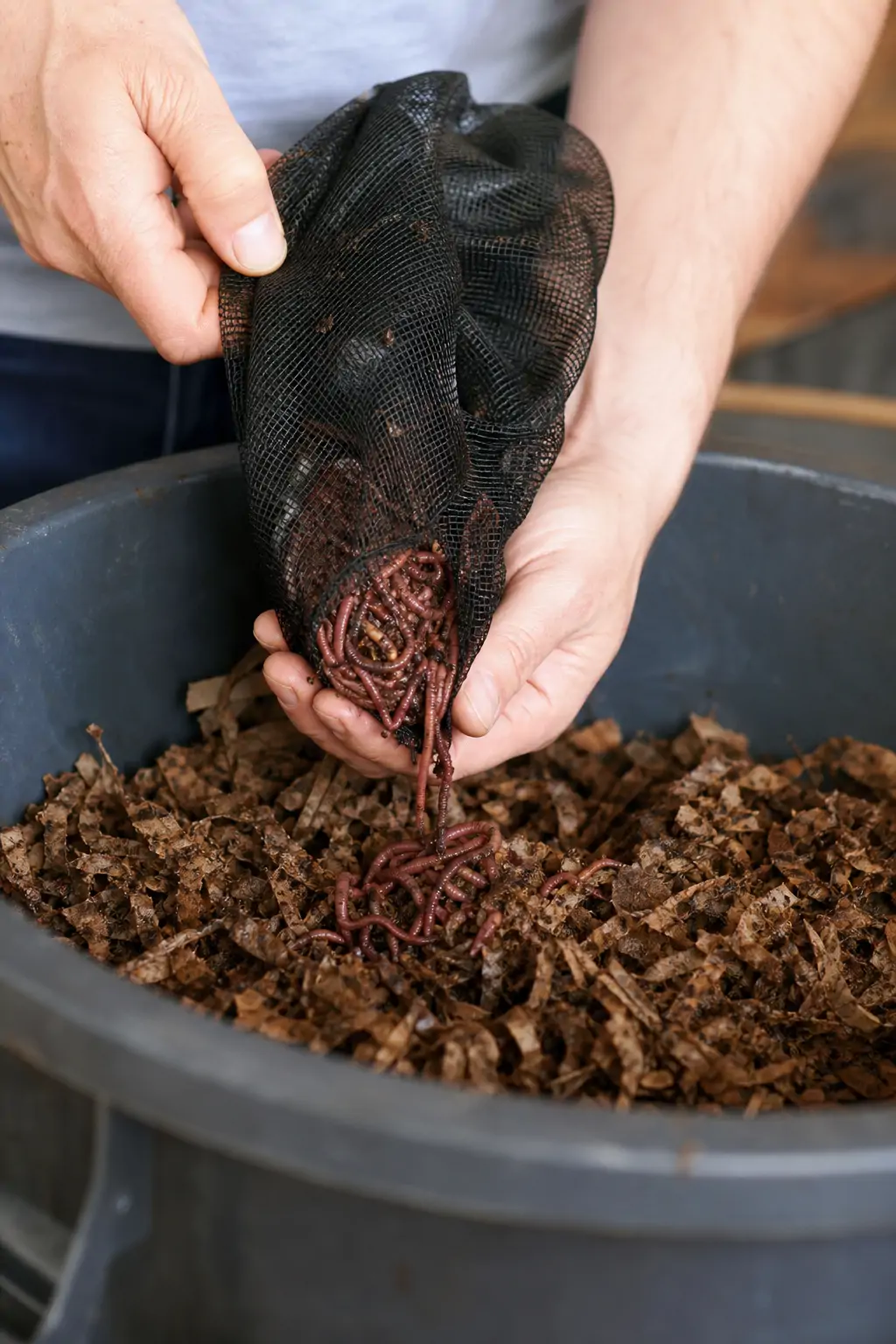
One frequently overlooked consideration is acclimating worms gradually to their new bedding material rather than transferring them directly from a shipping bag into a fully loaded bin. A gentler transition, where shipping material is mixed partway with new bedding over the first day, tends to reduce early mortality. This single step is rarely mentioned in beginner guides, yet it explains a meaningful share of the my worms died right after I got them reports seen in online composting communities.
Worm bin feeding schedule adjustments during the first few weeks also matter. New colonies process food more slowly than established ones, so overfeeding early on is one of the more common issues encountered when troubleshooting a worm compost bin that seems to be struggling despite otherwise correct setup.
Choosing the right species and sourcing healthy stock are really two halves of the same decision, and skipping either one tends to surface as a problem within the first month.
There's no single worm that works best for every household, but for the vast majority of home composters in the US, red wigglers remain the most forgiving and productive choice, especially for anyone just getting comfortable with vermicomposting basics guide concepts like moisture control and feeding balance. European and African nightcrawlers have their place for specific climates or dual-purpose use, but they ask a bit more of the person maintaining the bin.
Getting this decision right at the start saves weeks of frustration later. A well-matched worm population, given reasonable bedding and food, tends to settle in quickly and keep pace with household scraps for years without needing to be replaced.