Compost Troubleshooting Guide: Fix Common Pile Problems
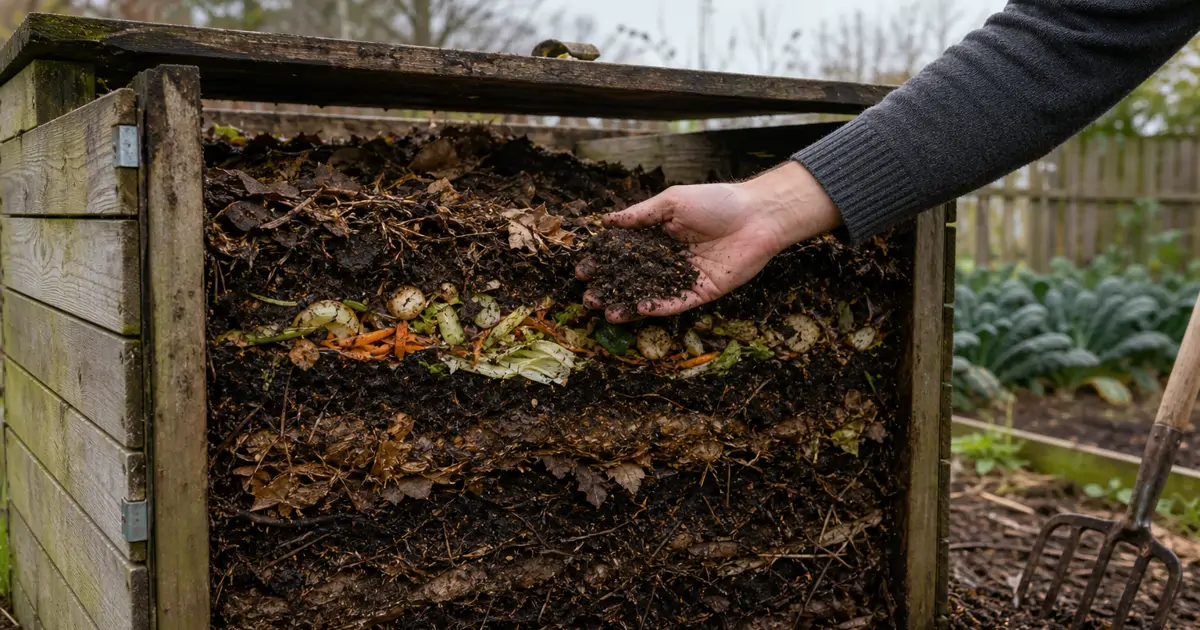
Compost Troubleshooting Guide: Fix Common Pile Problems
Every backyard composter hits a rough patch eventually. The pile that was steaming nicely last week suddenly goes cold, or it starts giving off a smell that sends you back inside faster than you walked out. These moments are normal, not a sign that composting isn't for you. What separates a frustrated beginner from someone who sticks with it is knowing how to read the signs and where to look for answers.
This guide exists to help you make sense of the most common compost problems and fixes before you dig into a full solution. Rather than walking through every possible scenario in exhaustive detail, it gives you a map: a quick rundown of what typically goes wrong, why it happens, and which dedicated article on this site covers the specific issue you're facing. Think of it as the starting point for diagnosing compost problems, not the final word.
By the end, you should have a much clearer sense of which corner of the topic applies to your situation, whether that's a pile that refuses to heat, a tumbler that never seems to do anything, or a bin that's suddenly popular with fruit flies.
Topic Overview
Compost troubleshooting tends to fall into a handful of recurring categories, and most problems trace back to one of a few root causes: moisture, airflow, the ratio of green to brown material, or the physical setup of the bin itself. Readers usually arrive at this topic with one of two goals. Either the pile has stopped producing heat and seems to have stalled entirely, or it's producing an odor, attracting pests, or otherwise behaving in a way that feels wrong.
A common concern is not knowing whether a symptom is serious or just a normal part of the process. A pile that cools down after its initial hot phase, for example, is often just maturing rather than failing. One overlooked factor is that different setups, open piles, enclosed bins, and rotating tumblers, each have their own quirks and typical failure points, so a fix that works for one may not apply to another. This is why fixing a broken compost pile usually starts with correctly identifying which type of system you're working with and what specifically is off about it.
Compost Not Heating Up
Heat is one of the clearest signals that decomposition is active, so when a pile stays cool, it's a signal worth paying attention to. This general overview covers the main reasons compost not heating up happens, including pile size, moisture balance, and nitrogen content, and helps you figure out which factor is most likely at play before moving to a more specific fix.
Compost Pile Not Heating Up Fix
If you're working with a traditional open or bin-free pile sitting directly on the ground, the causes and solutions differ slightly from an enclosed system. This article focuses specifically on getting a compost pile not heating up back into an active state, covering pile mass, layering technique, and turning frequency in more practical detail than the general overview does.
Compost Tumbler Not Heating Up
Tumblers behave differently than open piles because they're sealed and elevated, which changes how they retain heat and moisture. When a compost tumbler not heating up becomes the issue, the usual culprits include underfilling the drum, poor moisture retention, or infrequent rotation. This piece walks through what's unique about diagnosing tumbler-specific stalls.
Compost Smells Bad How to Fix
Odor is usually the first thing that tips someone off that something is wrong, and it's rarely subtle. This article addresses compost smells bad how to fix scenarios, breaking down the difference between an ammonia-like smell, a rotten-egg smell, and a sour smell, since each points to a different underlying imbalance.
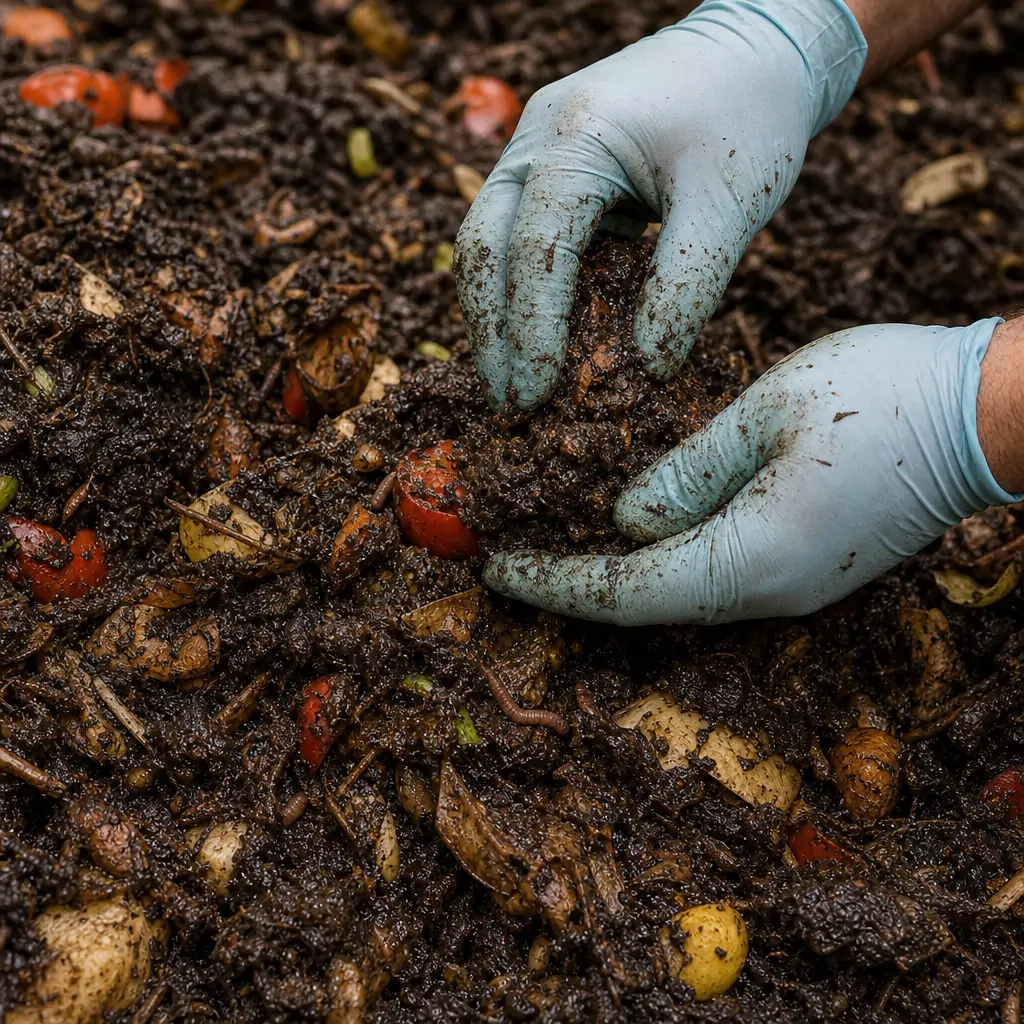
Compost Bin Not Heating Up
Enclosed plastic or wooden bins have their own set of quirks, particularly around insulation and airflow restriction. If a compost bin not heating up is your specific situation, this guide narrows in on bin design issues, ventilation gaps, and how bin size affects the pile's ability to build and hold heat.
Why Is My Compost Too Wet
Excess moisture is one of the most frequent complaints among backyard composters, especially after heavy rain or when too many wet kitchen scraps get added at once. This article on compost too wet fix situations explains how to recognize sogginess, why it slows decomposition, and what materials help absorb the extra water.
Why Is My Compost Too Dry
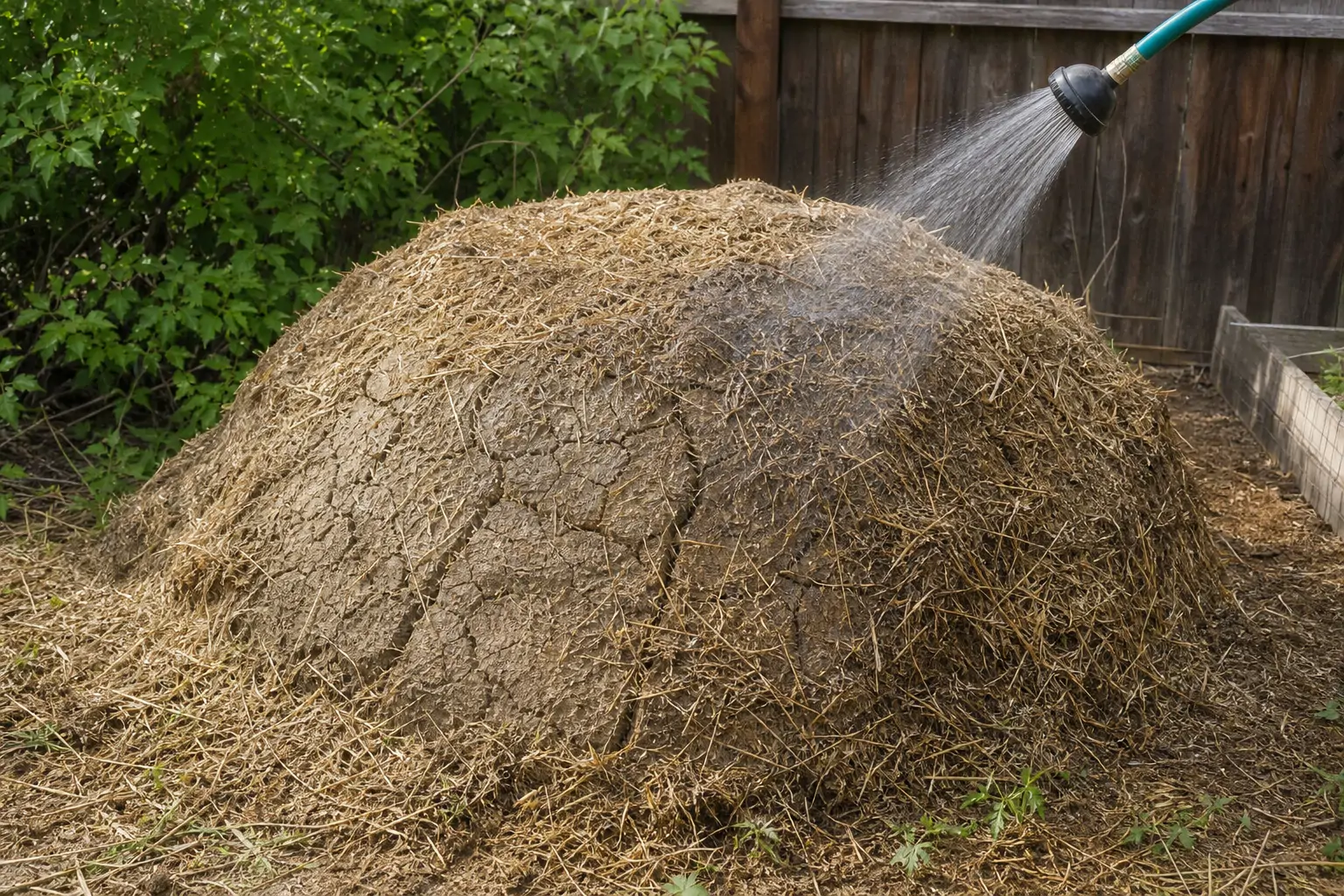
On the opposite end, a pile that's too dry will stall out just as completely as one that's too wet, though the fix looks very different. The compost too dry fix guide covers how to tell dryness apart from other stalls and how to reintroduce moisture without overcorrecting into a soggy mess.
How to Turn Compost in a Bin
Turning introduces oxygen, which most decomposition processes depend on, and skipping it is one of the more common reasons piles slow down. This article on how to turn compost in a bin explains timing, technique, and how turning frequency should shift depending on the stage your compost is in.
Compost Attracting Fruit Flies
Fruit flies are more of a nuisance than a sign of failure, but they can make an indoor or patio setup unpleasant fast. The dedicated article on compost attracting fruit flies explains why they show up, usually drawn to exposed fruit scraps, and what simple covering or burying techniques keep them away.
Compost Attracting Pests and Rodents
Larger pests are a different concern altogether, often tied to what's being added to the pile and how accessible it is. This guide on compost attracting pests and rodents covers which materials to avoid entirely and how bin design can either invite or discourage unwanted visitors.
Cluster Relationship
These topics overlap more than they might first appear. A pile that's too wet, for instance, is also more likely to smell bad and attract pests, since excess moisture creates the damp, anaerobic conditions that both odor-causing bacteria and insects prefer. Likewise, a pile that isn't heating up and one that's too dry are often describing the same underlying problem from two different angles.
A sensible starting point is to first identify whether your issue is primarily about temperature, moisture, smell, or pests, since that determines which cluster of articles applies. From there, the moisture-related guides and the heating guides tend to be read together, because fixing one issue frequently resolves or prevents the other. Readers dealing with an enclosed bin or tumbler should also expect some crossover between the general troubleshooting advice here and the equipment-specific guides, since the underlying science, carbon and nitrogen balance, moisture, and airflow, is the same regardless of the container.
Working through these compost troubleshooting tips in a logical order, starting broad and narrowing down, tends to save time compared to jumping straight to a single fix that may not address the real cause.
Composting is forgiving once you understand what it actually needs, and most compost pile issues explained here come down to a short list of adjustable factors rather than anything mysterious. Whether your pile has gone cold, turned soggy, or started smelling less like earth and more like a problem, there's a specific article in this cluster built to walk you through the fix step by step.