Hot Composting vs Cold Composting: A Complete Overview
Hot Composting vs Cold Composting: A Complete Overview
Anyone who has stood in front of a pile of kitchen scraps and yard waste, wondering what to do next, eventually runs into the same fork in the road: should this become a fast, hot compost pile or a slow, low-maintenance cold one? The two approaches share the same basic ingredients and the same end goal, but the process, the time commitment, and the results can look surprisingly different depending on which path is chosen.
This page exists to help readers make sense of that choice before diving into the details. Composting is not a single method with one set of rules; it is a spectrum of techniques, and hot composting and cold composting sit at opposite ends of it. Understanding the tradeoffs between them, rather than guessing, saves a lot of frustration later on.
Below, the major differences are introduced at a high level, followed by direct pointers to the more detailed guides in this cluster. Readers dealing with a specific question, like how hot a pile needs to get or how long the whole thing takes, will find a dedicated article covering that exact topic further down the page.
What This Topic Covers
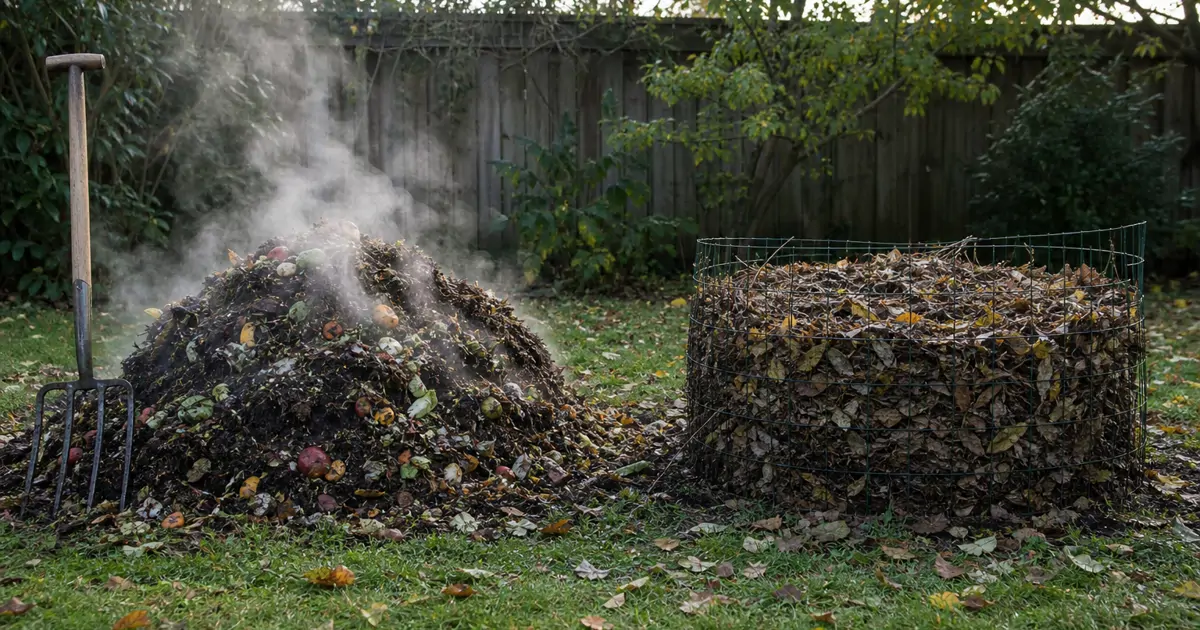
At its core, composting hot vs cold comes down to how much effort and attention a gardener wants to put in, and how quickly they need finished compost. Hot composting relies on carefully balanced ratios of nitrogen-rich and carbon-rich material, regular turning, and enough volume to generate real internal heat. Cold composting, by contrast, is closer to letting nature take its course: materials are added over time and left largely undisturbed, breaking down gradually through the slower work of fungi, insects, and weather.
Readers researching this topic tend to fall into a few common groups. Some want fast, usable compost for a specific planting deadline and are willing to manage a pile actively. Others are simply trying to reduce kitchen waste and yard debris without adding another chore to their week. Still others are comparing hot and cold composting methods because they have read conflicting advice online and want a clearer picture before choosing a system. A common concern across all three groups is not knowing which method actually suits their available time, space, and climate.
Hot Composting vs Cold Composting Explained
For a full side-by-side breakdown of how these two methods differ in setup, materials, and daily involvement, the dedicated comparison guide covers hot composting vs cold composting in detail. It's the natural starting point for anyone who wants a clear, structured explanation before committing to either approach, especially if the terminology itself still feels a little fuzzy.
How to Hot Compost Step by Step
Once someone decides that faster results are worth the extra effort, the next logical step is learning the actual process. The step-by-step guide on how to hot compost walks through building a properly sized pile, layering materials correctly, and monitoring the pile as it heats. This is the resource to reach for once the decision has already been made, not before.
How to Make Cold Compost
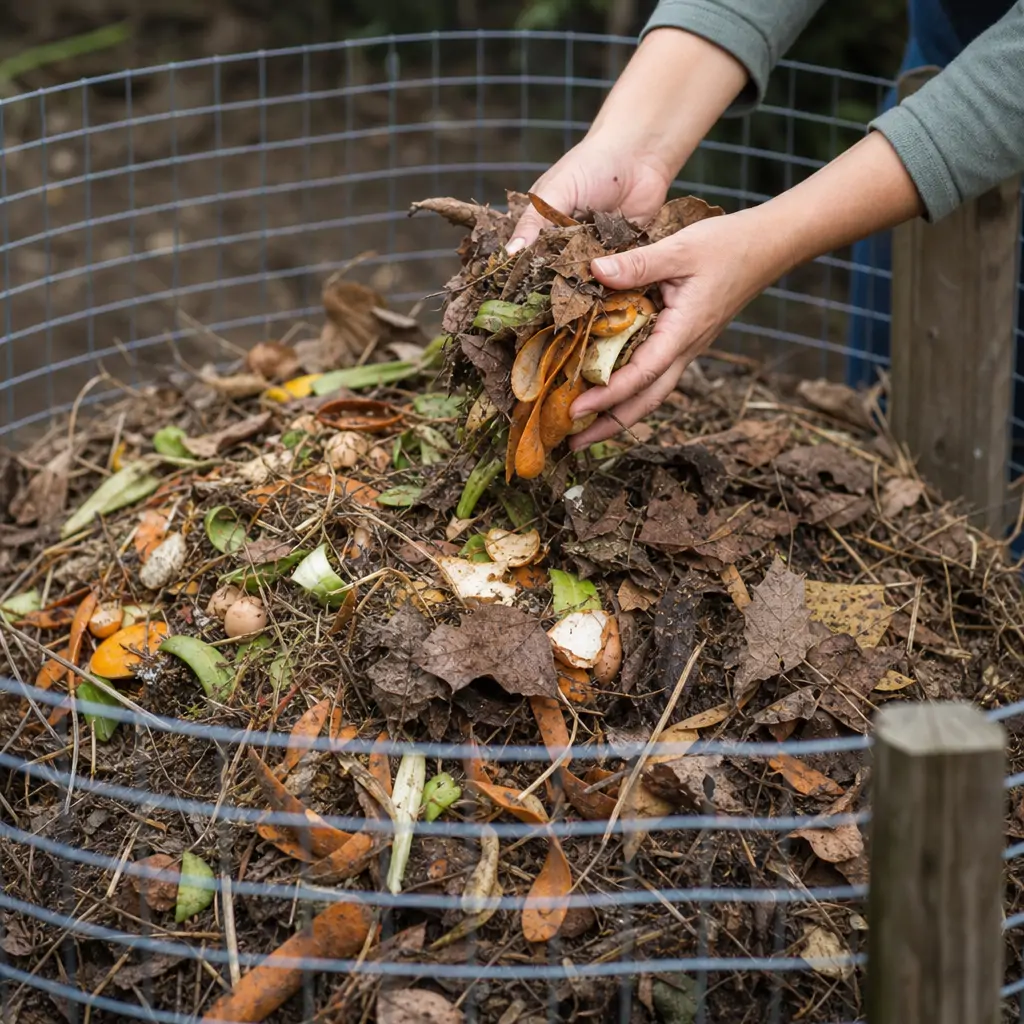
Readers who would rather add scraps as they go, without worrying about precise ratios or turning schedules, are usually better served by the cold method. The guide explaining how to make cold compost lays out a simple, low-intervention setup that fits well into a busy schedule or a smaller yard where turning a large pile isn't practical.
Hot Compost Temperature Guide
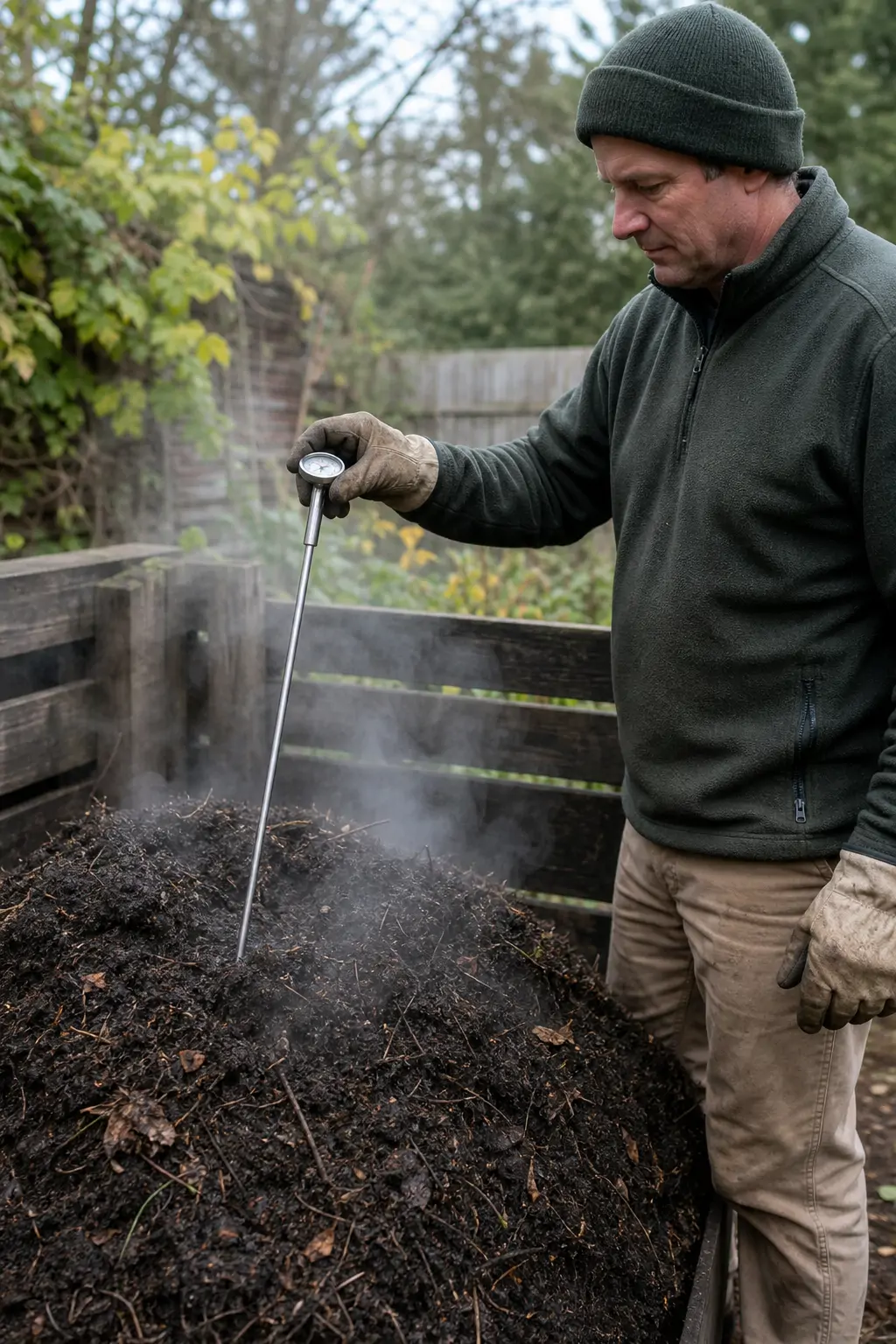
Temperature is really what defines hot composting, and getting it wrong is one of the most frequent stumbling blocks for beginners. A dedicated hot compost temperature guide explains what range a pile should reach, how to measure it, and what it means when the numbers don't match expectations. This becomes especially useful once a pile has been started but doesn't seem to be heating up as expected.
Cold Compost Pros and Cons
Before settling on the low-effort route, it helps to know exactly what is being traded away. The article on cold compost pros and cons lays out both sides honestly, covering everything from reduced weed-seed destruction to the much longer timelines involved. It's a useful reality check for anyone leaning toward the easier method purely out of convenience.
Best Method for Fast Compost
Some readers land on this page with one question in mind: what is the fastest way to make compost, period? That question has its own dedicated answer, which compares speed-focused techniques and explains where hot composting fits among other quick methods. It's worth a look for anyone working against a planting deadline or simply impatient to see finished results.
Hot Composting for Beginners
Hot composting has a reputation for being technical, and that reputation isn't entirely undeserved. A beginner-focused resource on hot composting for beginners strips away the jargon and focuses on the handful of decisions that actually matter when starting out, making the method far less intimidating than it first appears.
Cold Composting for Beginners
Cold composting is often described as the easier of the two methods, but easier does not mean there is nothing to learn. The guide on cold composting for beginners covers the small setup choices that make a real difference in outcome, like bin placement and what materials to avoid, even within a low-maintenance system.
How Long Does Hot Composting Take
Timelines are one of the most searched questions in this entire topic area, and for good reason. The article addressing how long does hot composting take breaks down realistic expectations, from the first heat cycle through curing, and explains why some piles finish faster than others depending on conditions.
How Long Does Cold Composting Take
On the slower end of the spectrum, patience is part of the process. The companion piece on how long does cold composting take sets realistic expectations, since cold piles can take many months to a year or more depending on climate, pile size, and what's been added to them.
How These Topics Connect
These sub-pillars aren't meant to be read in isolation. The explainer comparing the two methods is the natural entry point for readers still weighing their options, while the beginner guides and step-by-step instructions become relevant once a method has been chosen. Temperature and timeline questions tend to surface later, after a pile is already underway, which is why those guides are written to stand on their own for readers who arrive mid-process rather than at the very beginning.
There's also meaningful overlap between the pros-and-cons discussion and the speed-focused article, since both ultimately help with the same underlying decision: choosing between hot and cold compost based on realistic tradeoffs rather than assumptions. Readers who start with the overview and then branch into the specific guide matching their situation tend to get the clearest, most useful picture of the whole topic.
Composting doesn't require picking a side permanently. Many gardeners end up using elements of both approaches depending on the season, the materials on hand, and how quickly they need finished compost. What matters most is understanding the fundamental difference in cold vs hot composting before investing time in either one, since that single decision shapes almost everything else about the process, from bin design to how often a pile needs attention.
The guides linked throughout this page go deeper into every stage of both methods, from first setup to finished, usable compost. Whichever direction feels like the right fit, there's a dedicated resource ready to walk through the specifics in more detail.