How to Start Your Own Compost at Home: Beginner's Guide
How to Start Your Own Compost at Home: Beginner's Guide
Every pile of compost begins the same way: someone decides that throwing food scraps and yard waste into the trash no longer makes sense. Figuring out how to start your own compost at home is less about following a rigid formula and more about understanding a handful of principles that let organic material break down efficiently, without odor or pests becoming a problem.
This matters for a wide range of people. Renters with a small balcony, homeowners with a quarter-acre lot, and apartment dwellers curious about worm bins all face the same basic question of where to begin. The specifics differ, but the underlying science of decomposition stays consistent whether the pile sits in a plastic bin, a wire cage, or a hole dug directly into the ground.
What follows is a practical walkthrough for starting compost from scratch, including how to choose a setup, what to layer and in what order, how to keep the process moving, and which mistakes tend to derail beginners most often. Readers who finish this guide should be able to set up a working compost system within a weekend and know what to expect over the following weeks.
Choosing the Right Method to Start Composting
Before buying anything, it helps to match the composting method to the realities of the space available. A common mistake is picking a large tumbler or three-bin system because it looks efficient online, then realizing there isn't enough yard space or enough raw material to fill it. The method should follow the constraints, not the other way around.
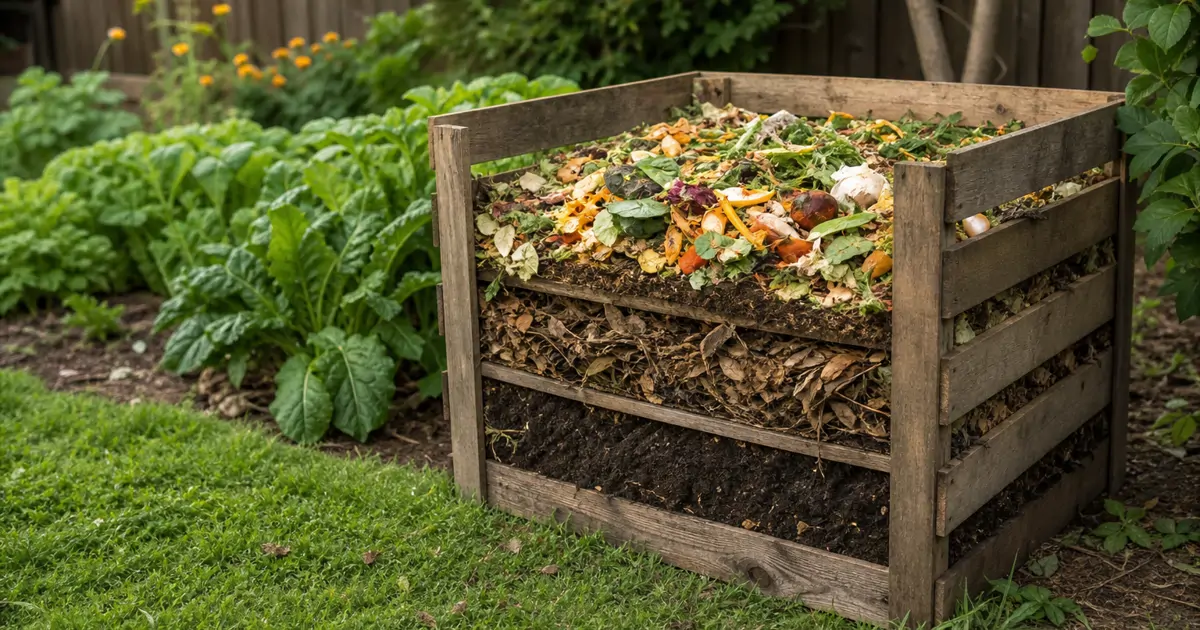
Open pile composting works well for anyone with a backyard corner that can be left slightly untidy. It costs nothing beyond a pitchfork, requires no purchased equipment, and allows air to circulate freely, which speeds up decomposition. The tradeoff is that open piles are more visible, can attract curious animals if meat or dairy sneaks in, and dry out faster in windy or sunny climates.
Enclosed bins, whether purchased or built from repurposed pallets, offer better moisture retention and a tidier appearance, which matters in neighborhoods with closer lot lines. Tumblers add the convenience of easy turning but tend to hold smaller volumes, meaning they finish batches faster but produce less compost per cycle. For those exploring how to compost at home for beginners without much outdoor space, a small enclosed bin or a countertop system paired with how to start composting indoors research is often the more realistic starting point than a sprawling backyard pile.
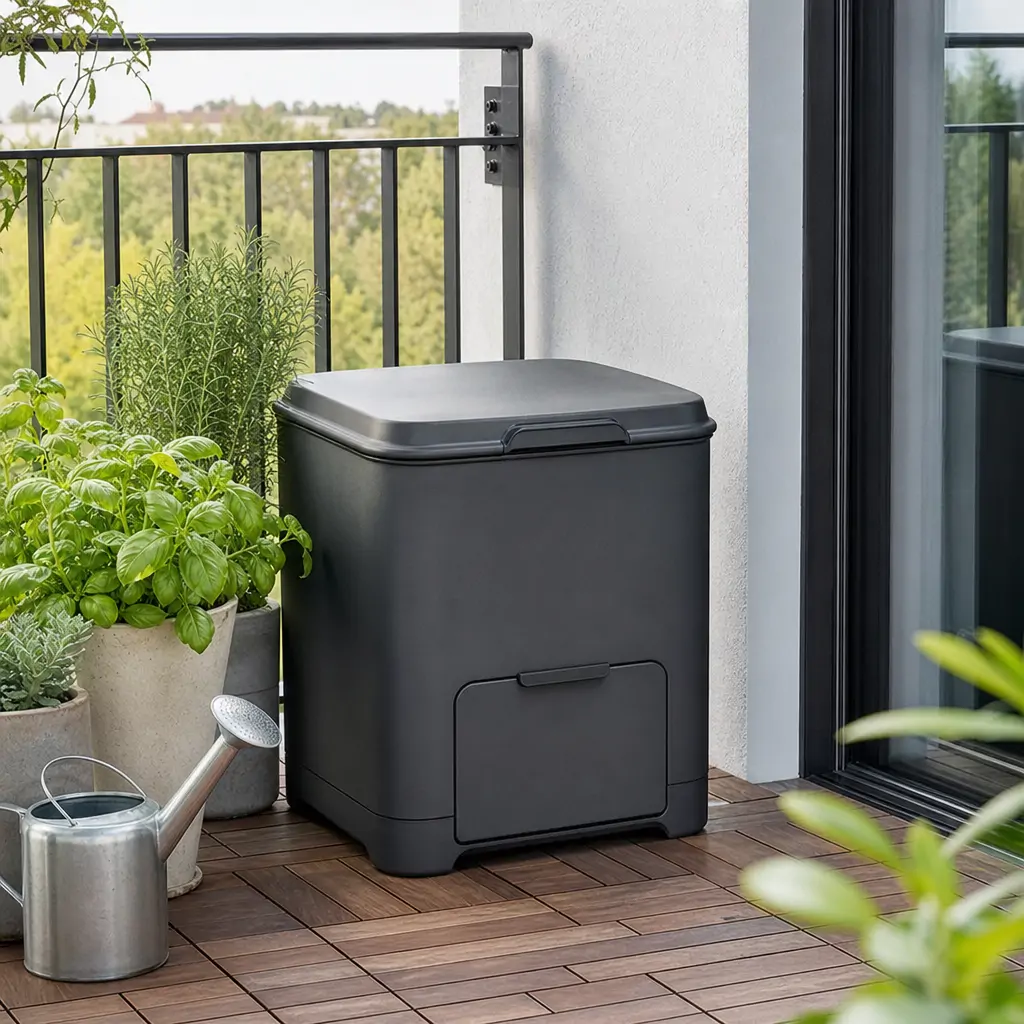
One frequently overlooked factor is sunlight exposure. A pile in full sun heats up faster in spring and fall but can dry out uncomfortably during summer, requiring more frequent watering than shaded setups. A partly shaded spot near a hose bib tends to be the most forgiving location for beginners, since it balances warmth with moisture retention and cuts down on maintenance.
Takeaway: match the composting method to the space, sunlight, and time available rather than choosing based on what looks most impressive.
Building Your First Compost Pile Step by Step
Once a method is chosen, the actual construction follows a logical sequence. Skipping steps or doing them out of order is one of the more common reasons new composters end up with a slimy, smelly pile instead of the crumbly, earthy material they expected.
Selecting a Location and Container
Pick a spot with decent drainage, moderate sun, and easy access, since a pile that requires a long walk in bad weather tends to get neglected. If building directly on the ground, loosen the soil underneath slightly to allow worms and beneficial microbes to migrate upward into the pile naturally. This single detail is one of the things how to make compost at home guide content often glosses over, yet it noticeably speeds early colonization by soil organisms.
Layering Greens and Browns Correctly
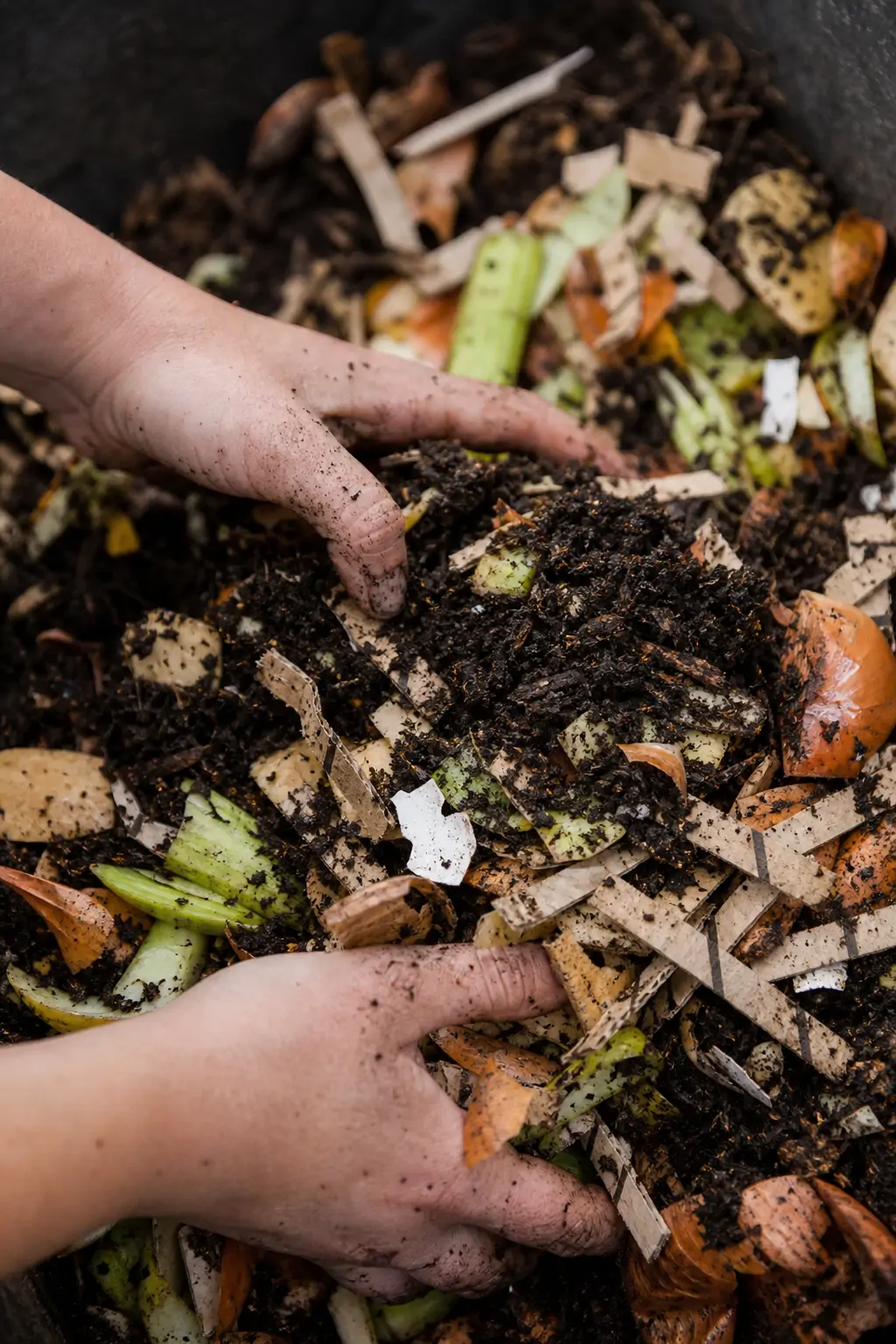
Compost needs a mix of nitrogen-rich "greens" such as vegetable scraps, coffee grounds, and grass clippings, along with carbon-rich "browns" like dried leaves, cardboard, and straw. Getting the carbon-to-nitrogen ratio roughly right, aiming for more browns than greens by volume, prevents the sour, wet smell that often signals an imbalanced pile. A practical rule many experienced composters follow is layering in a rough two-to-one or three-to-one ratio of browns to greens, then adjusting based on how the pile smells and feels over the following week.
Maintaining Moisture and Turning Schedule
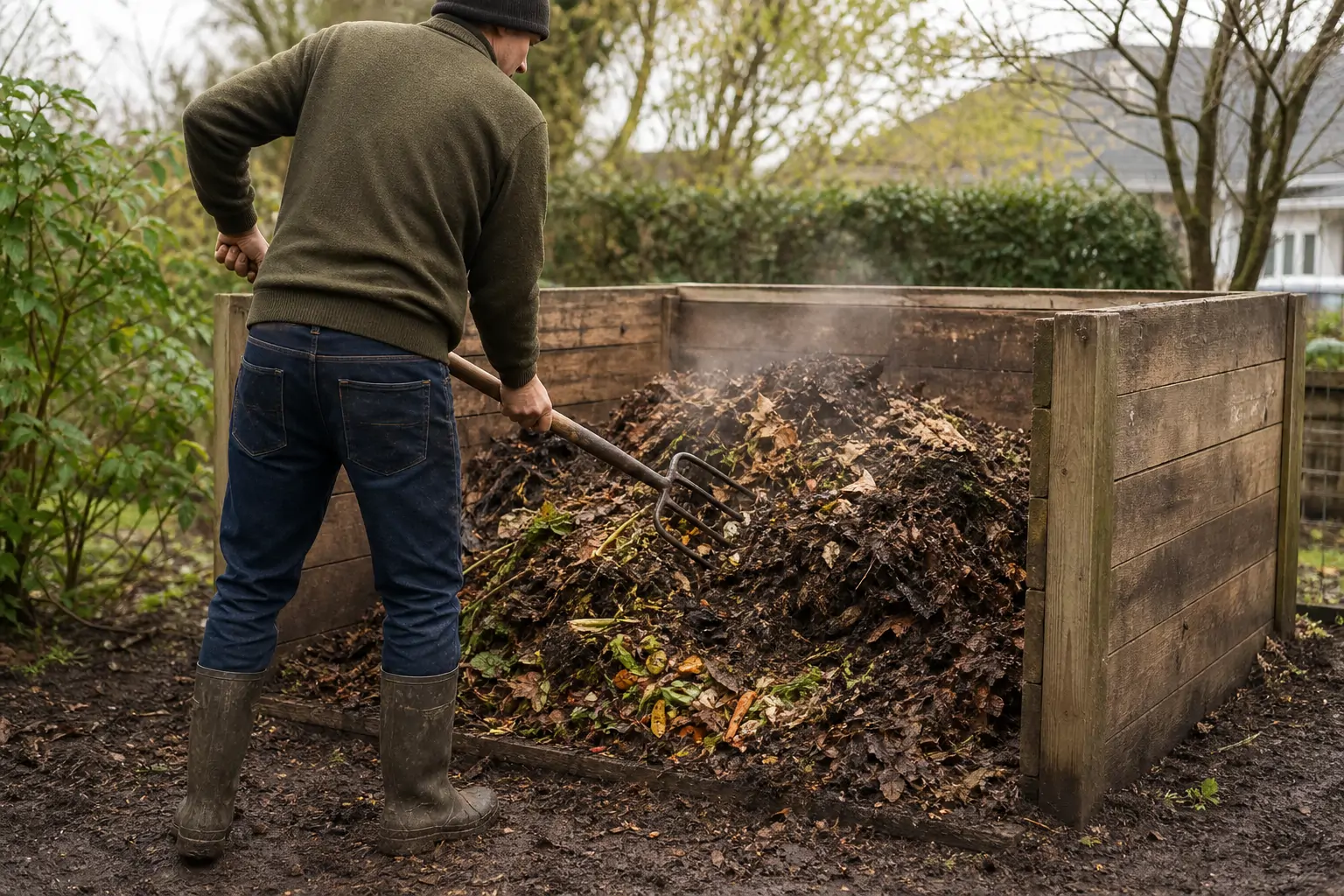
The material should feel like a wrung-out sponge, damp but not dripping. Piles that are too dry stall out and stop heating, while piles that are too wet turn anaerobic and start to smell like rotten eggs. Turning the pile every one to two weeks introduces oxygen, redistributes moisture, and moves outer material into the hotter center, which speeds up finished compost formation considerably.
Knowing When Compost Is Ready
Finished compost looks dark, crumbly, and smells like fresh soil rather than decaying food. Most home piles take anywhere from two months to a year depending on the mix of materials, pile size, and how consistently it's turned. Trying to use compost before it's fully broken down can actually stunt plant growth, since unfinished material continues to draw nitrogen from the surrounding soil as it decomposes.
Takeaway: successful composting comes down to a workable location, a reasonable browns-to-greens ratio, and consistent moisture and turning rather than any single special ingredient.
Common Mistakes and Practical Considerations for New Composters
A surprising number of composting failures trace back to a small set of recurring errors, most of which are easy to avoid once someone knows to watch for them.
Adding too much of one material at once is a frequent issue. A large batch of grass clippings dumped in all together compacts down, blocks airflow, and turns slimy within days. Mixing greens into the pile gradually, and stirring them through existing browns rather than piling them on top, keeps airflow consistent throughout the material.
Another overlooked consideration is particle size. Whole corn cobs, thick branches, and large melon rinds can take a year or more to break down fully, holding up an otherwise finished batch. Chopping bulky scraps into smaller pieces before adding them shortens decomposition time meaningfully, since smaller surface areas give microbes more contact points to work with.
Pest attraction is a concern many beginners worry about unnecessarily, but it does have real causes. Meat, dairy, oily foods, and improperly buried food scraps are the usual culprits. Burying fresh scraps a few inches beneath existing material, rather than leaving them exposed on top, discourages rodents and flies without requiring any special equipment. If unpleasant odors or unusual pest activity persist despite these adjustments, it may indicate a problem and should be evaluated by a qualified professional familiar with local pest management.
Finally, impatience trips up plenty of new composters. Expecting garden-ready compost within a few weeks leads some people to abandon the process just as it's starting to work. Compost that seems slow is often simply cool weather, a dry mix, or a pile that's too small to retain heat, all of which are fixable with minor adjustments rather than signs of failure.
Takeaway: most composting setbacks come from a handful of predictable, fixable mistakes rather than anything fundamentally wrong with the process itself.
Starting compost from scratch doesn't require special expertise, expensive equipment, or a large yard. It requires a reasonable location, a workable mix of greens and browns, and enough patience to let biology do the work. Once the first batch finishes, most composters find the second and third rounds come together far more intuitively, since the underlying pattern becomes familiar quickly.
For anyone still deciding between methods, starting small and adjusting based on real results tends to work better than trying to build the perfect system on the first attempt. Compost is forgiving, and small mistakes rarely ruin a batch beyond repair.